Radiators Buying Guide: How to Choose Radiators for Any Room
Everything you need to compare radiator types, outputs and sizes before you buy — written for installers and homeowners.
Buying radiators comes down to four decisions: the type, the output you need, the size that will fit, and the valves that control it. This guide works through all four in order, with comparison tables for the main radiator types, so you can specify confidently whether you are replacing a single radiator or pricing a whole-house heating job.
Radiator types compared
Most UK homes use pressed-steel panel radiators, but column, designer, towel rail and electric models all have a place. The right choice depends on the output required, the wall space available and how the room is used.
| Type | Best for | Output for the space | Notes |
|---|---|---|---|
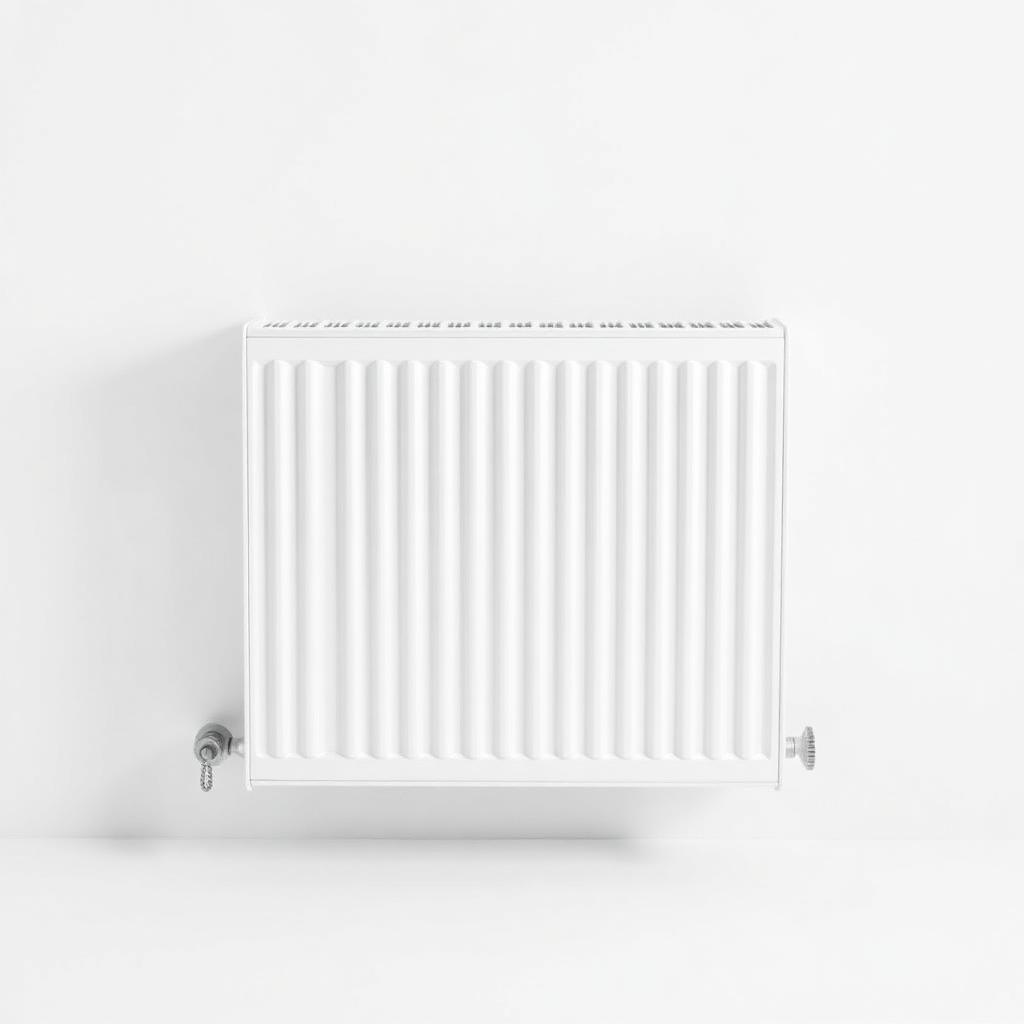
| Panel (Type 11/21/22) | General living space, bedrooms, kitchens | High for the price | Cheapest per watt; widest size range |
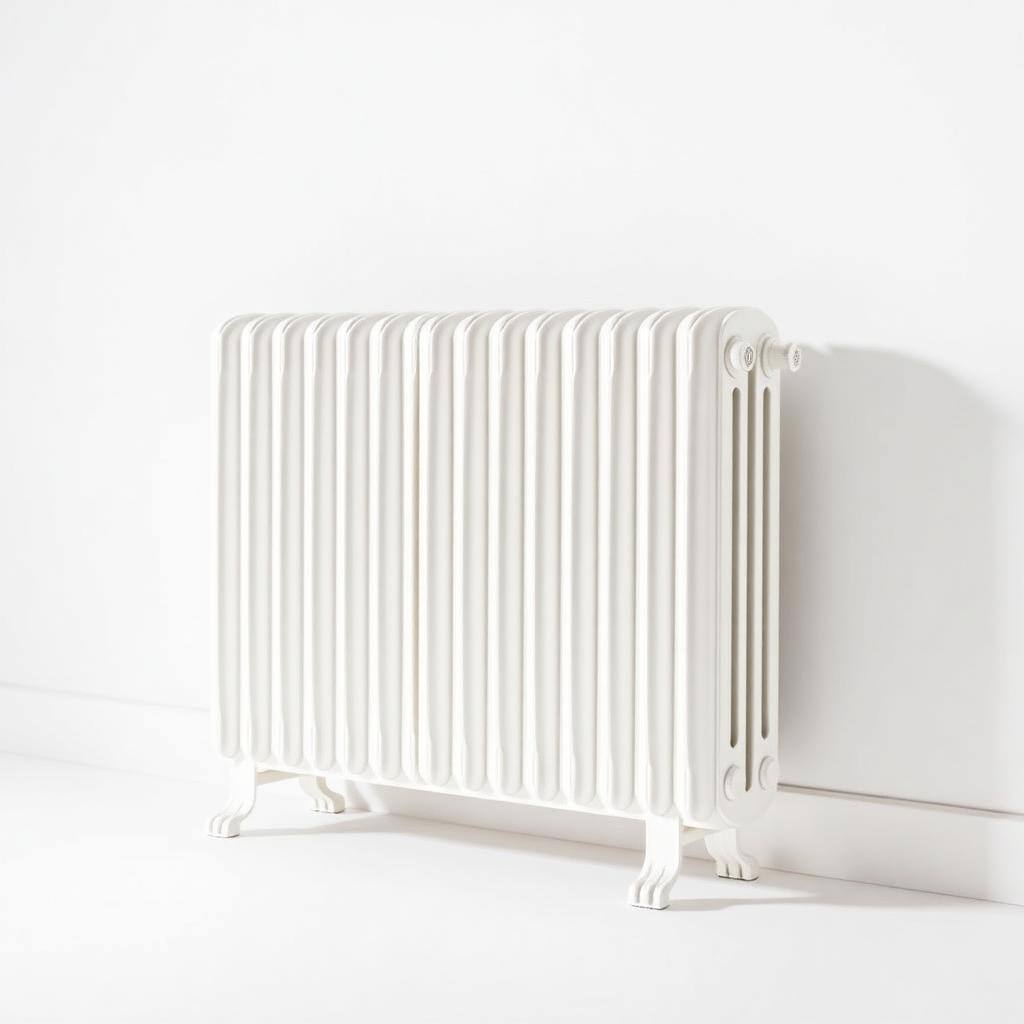
| Column | Period properties, hallways | Medium–high | Higher water content, slower to warm |
| Designer / vertical | Narrow walls, open-plan rooms | Medium | Good where wall width is limited |
| Towel rail | Bathrooms, cloakrooms | Low | Usually needs a supplementary heat source in larger bathrooms |
| Electric | Extensions, garden rooms, off-system rooms | Low–medium | No pipework needed; runs on electricity rates |
If you are replacing a radiator on an existing wet system, a panel radiator in the same footprint is usually the fastest and cheapest option. Designer and column radiators are chosen mainly for appearance and for awkward wall spaces, and typically cost more per watt of output.
Browse by radiator type
Getting the output and size right
A radiator's job is to replace the heat a room loses. Undersize it and the room never reaches temperature on cold days; oversize it heavily and the system short-cycles and wastes fuel. Output is quoted in watts or BTU/hr at a stated Delta T — the difference between average radiator temperature and room temperature.
- 1Measure the room and note the construction, glazing and insulation level
- 2Calculate the heat requirement (or use a room-by-room heat-loss calculation for a full system)
- 3Choose a radiator whose quoted output at your system's Delta T meets that figure
- 4Check the physical size fits the wall, sill height and pipe centres
Materials, finishes and heat-up time
| Material | Heat-up speed | Typical use |
|---|---|---|
| Pressed steel | Fast | Standard panel radiators |
| Mild steel (column) | Slower | Column and traditional styles |
| Aluminium | Very fast | Low water content, heat-pump-friendly designs |
| Stainless steel | Fast | Towel rails and premium designer models |
White is the standard finish and the cheapest to stock. Anthracite, black and chrome cost more, and chrome towel rails in particular give lower heat output than the painted equivalent of the same size — check the figures rather than assuming.
Valves, brackets and the extras to price in
- Thermostatic radiator valves (TRVs) for room-by-room control — required on most new installations
- Lockshield valve to balance flow across the system
- Correct brackets and fixings for the wall type; heavy radiators on plasterboard need noggins or a batten
- System inhibitor after draining and refilling, plus a magnetic filter on boiler changes
Valves are rarely included with the radiator itself, so add them to the order. Straight, angled and corner patterns are not interchangeable — check pipe entry before ordering.
Add the fitting parts
Buying radiators for a whole job
For multi-radiator jobs, order the full schedule at once so sizes, finishes and valve patterns match and everything lands on site together. Keep the schedule as a saved list on a trade account so the same specification can be reordered on the next property without rebuilding it.
Buying as a trade customer
Frequently asked questions
- What size radiator do I need for my room?
- Size by heat requirement, not by room size alone. Calculate the room's heat loss (or use a BTU estimate for a straightforward replacement), then pick a radiator whose output at your system's flow temperature meets that figure.
- Are designer radiators less efficient than panel radiators?
- Not less efficient as such, but usually lower output for the same wall area, so you may need a larger or taller model to deliver the same heat. Compare quoted outputs at the same Delta T before deciding.
- Do I need new valves when replacing a radiator?
- It is good practice. Existing valves are often the same age as the old radiator, and fitting new TRVs and lockshields at the same time avoids a second drain-down later.
- Will my existing radiators work with a heat pump?
- Sometimes, but heat pumps run at much lower flow temperatures, so each radiator gives out less heat. A room-by-room assessment is needed; many rooms require larger radiators or higher-output designs.
Shop the products in this guide
Plumb Supply Team
Practical buying information from the Plumb Supply team.