How to Choose the Right Radiator for Your Room
Understand radiator types, sizing, heat output and the differences between panel, column and designer radiators.
Choosing a radiator is a balance between the heat a room needs, the space available on the wall and the look you want. This guide explains how heat output is measured, how radiator types differ in practice, and what to check before you order.
Start with heat output, not size
Radiator performance is quoted as a heat output, usually in BTUs per hour or watts. The figure you see on a product listing is the output at a stated flow temperature — commonly Delta T 50 in the UK — so two radiators of the same physical size can produce very different amounts of heat depending on how many panels and convector fins they have.
The output a room needs depends on its volume, the amount of external wall and glazing, insulation levels, and how the room is used. A north-facing living room with a large bay window needs considerably more output than an internal box room of the same floor area.
Sizing the radiator to the wall
Once you know roughly what output you need, measure the space you have. The usual position is below a window, which helps offset the cold draught from the glazing, but any external wall works. Leave clearance for pipework and valves at each end and allow a gap beneath the radiator so air can circulate.
Practical measurements to take
- Available wall width, minus roughly 100–150mm at each end for valves
- Height from finished floor level to the window board or sill
- Projection from the wall — deeper radiators intrude into walkways
- Existing pipe centres if you want to reuse the current tails
If the wall is short, a taller radiator or a higher-output type recovers the shortfall. In hallways and bathrooms where wall space is scarce, vertical radiators and towel rails are often the practical answer, though towel rails generally produce less heat than a panel radiator of the same footprint.
Radiator types compared
| Type | Typical use | Points to consider |
|---|---|---|
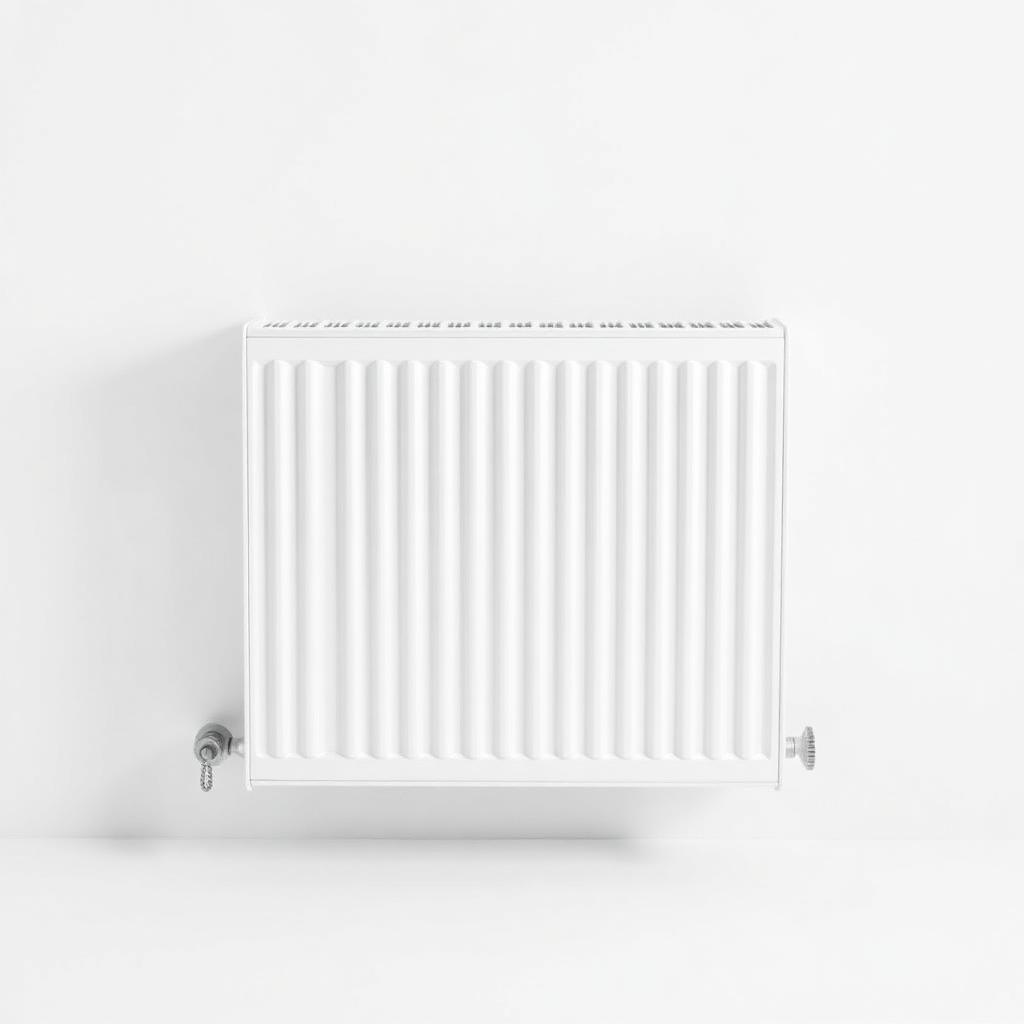
| Panel (Type 11, 21, 22) | Most rooms in most homes | Best output per pound; wide range of stock sizes |
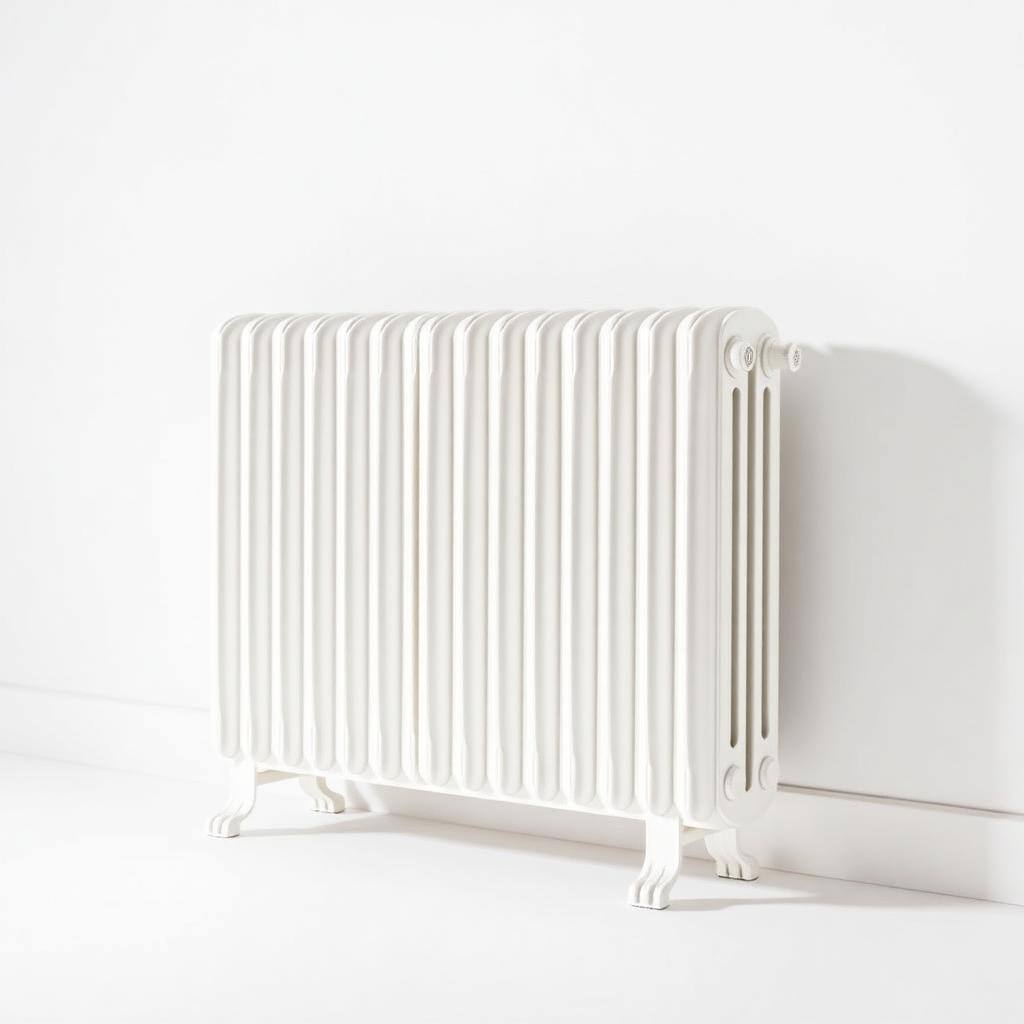
| Column | Period properties, hallways | Traditional look, heavier, holds more water |
| Designer / flat panel | Living spaces, kitchens | Cleaner appearance, often lower output for the size |
| Vertical | Narrow walls, hallways | Uses height instead of width |
| Towel rail | Bathrooms, cloakrooms | Modest output; consider a dual-fuel element for summer |
| Electric | Extensions, garden rooms, summer use | No wet pipework needed; runs on electricity |
Panel radiators remain the default choice because the combination of panels and convector fins gives a high output for a modest price. Column and designer radiators are chosen for appearance, and usually need a larger surface area to match the same output.
Placement and room use
- Avoid boxing a radiator in behind furniture or long curtains — both trap heat against the wall
- In bathrooms, position a towel rail where it will not be blocked by a shower door
- In kitchens, plinth heaters or vertical radiators can free up wall space for units
- In rooms with large glazing, splitting the output across two radiators often feels more comfortable than one very large one
Valves and controls
Most radiators are supplied without valves, so order them at the same time. A standard pairing is a thermostatic radiator valve (TRV) on the flow and a lockshield on the return, which lets the room temperature be set individually and the system to be balanced.
- Check whether you need angled, straight or corner valves for your pipe route
- Match the valve size to the pipework — 15mm is the usual domestic size
- Match the finish to the radiator, particularly on designer and anthracite models
- TRVs are not normally fitted in the room containing the main room thermostat
Shop the parts for the job
Installation considerations
A straight swap for a radiator of the same size is usually simple, but changing the size or position means altering pipework and rebalancing the system. Wall construction matters too: a heavy column radiator on a stud or dot-and-dab wall needs suitable fixings or a supporting batten.
- Add inhibitor after draining and refilling to protect the system
- Fit or check a magnetic filter if the system has previously had sludge problems
- Bleed each radiator and rebalance the flow once everything is refilled
- Gas boiler work must be carried out by a Gas Safe registered engineer
Frequently asked questions
- How many BTUs do I need for a room?
- It depends on room volume, glazing, insulation and use, not floor area alone. Use an online estimate as a starting point for a like-for-like replacement, and ask a heating engineer for a heat-loss calculation when specifying a new or altered system.
- Do I need new valves with a new radiator?
- Radiators are normally supplied without valves. If the existing valves are old, seized or the wrong angle for the new pipe route, fit a new TRV and lockshield pair.
- Can I fit a bigger radiator on the same pipework?
- Often yes, provided the boiler and pipework can supply the extra output and the pipe centres line up or can be adjusted. If several radiators are being upsized, have the system checked so it stays balanced.
Shop the products in this guide
Plumb Supply Team
Practical buying information from the Plumb Supply team.