Type 11 vs Type 21 vs Type 22 Radiators Explained
A plain-English guide to panel radiator type numbers — what Type 11, 21 and 22 mean, and how output and depth compare.
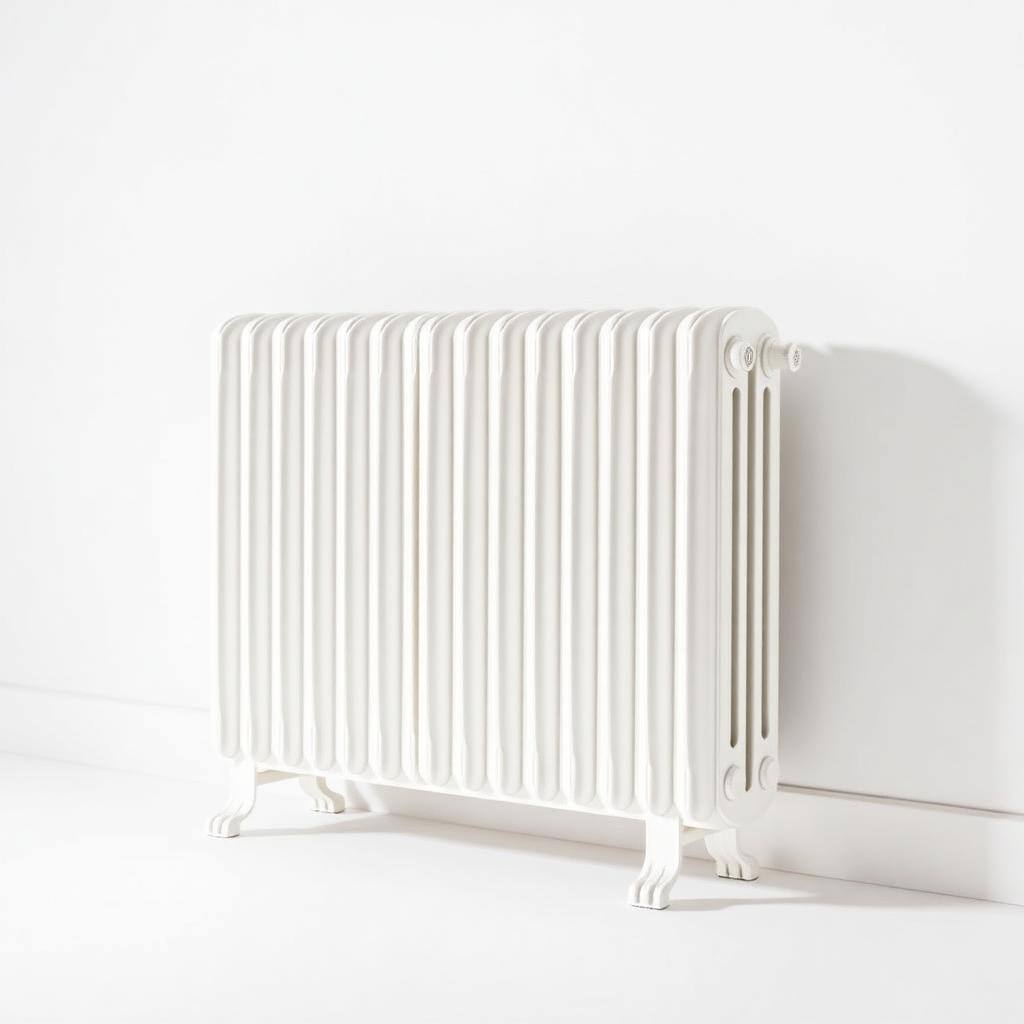
Panel radiator names such as Type 11, Type 21 and Type 22 look cryptic, but the numbering system is simple once explained. This guide sets out what each digit means, how the types compare for output and depth, and how to choose correctly when replacing an existing radiator.
What the type numbers actually mean
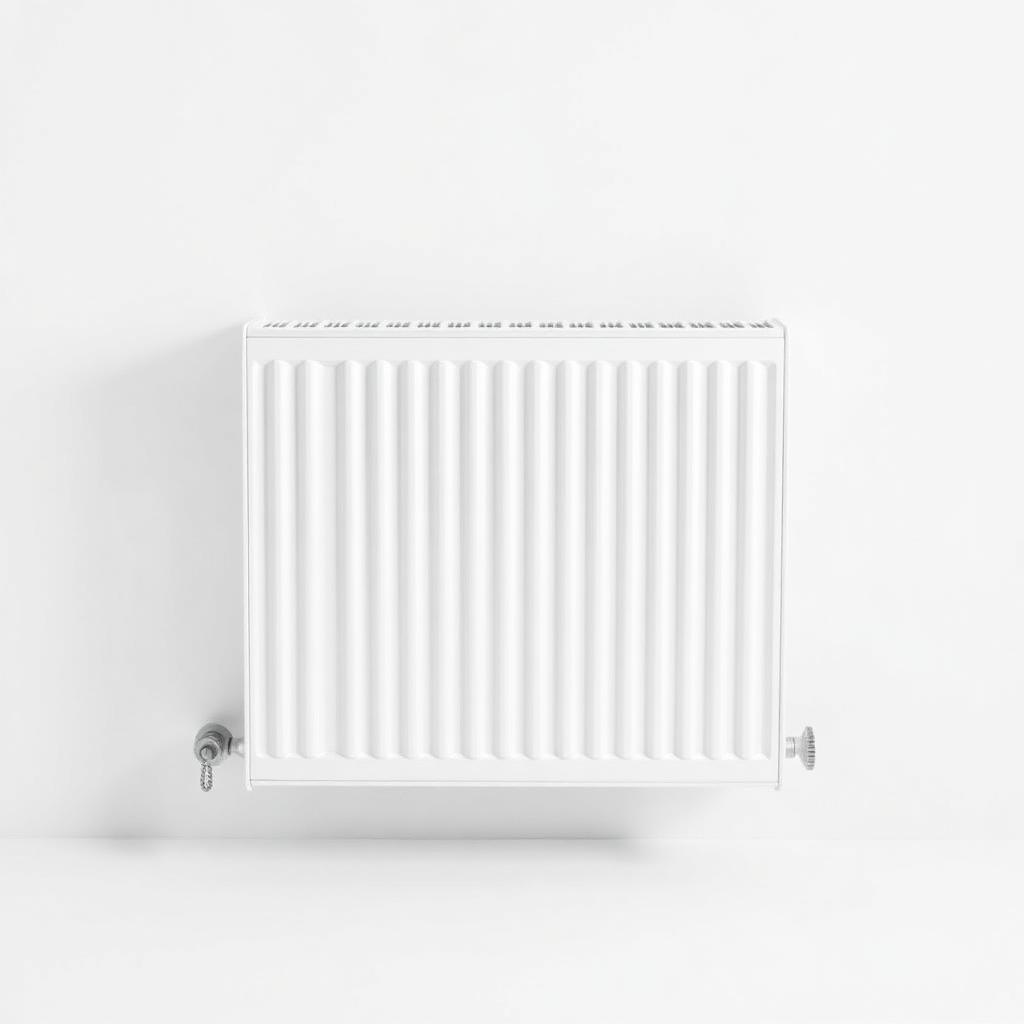
Panel radiator type numbers describe two things: how many steel panels the radiator has, and how many convector fins are fitted to the back of them. The first digit is the number of panels, the second is the number of convector fin banks. So a Type 21 has two panels and one row of convector fins, while a Type 22 has two panels and two rows of fins.
Convector fins are the zig-zag metal fins fixed to the rear of a panel. They increase the surface area in contact with moving air, so a radiator with fins gives off noticeably more heat by convection on top of the radiant heat from the panel itself. Adding panels and fins both increase output, but they also increase the radiator's depth off the wall.
| Type | Panels | Convector fin rows | Approx. depth | Relative output |
|---|---|---|---|---|
| Type 10 | 1 | 0 | ~53mm | Lowest |
| Type 11 | 1 | 1 | ~65mm | Low–medium |
| Type 21 | 2 | 1 | ~90mm | Medium |
| Type 22 | 2 | 2 | ~100mm | High |
| Type 33 | 3 | 3 | ~155mm | Highest |
How much difference does it make to output?
For a radiator of the same height and width, moving from a Type 11 to a Type 21 typically increases output by around 40–50%, and moving to a Type 22 can roughly double the output of the equivalent Type 11. A Type 33, with three panels and three fin banks, produces the highest output of the standard range but is rarely needed in an ordinary domestic room because of its depth and weight.
This matters most when wall space is limited. If a room needs a high output but there is only a narrow section of wall available, a Type 22 in a shorter width can often match the output of a much longer Type 11, without the awkward reduction in radiant panel that a very tall, single-panel radiator would need.
Typical uses for each type
- Type 10 or Type 11 — small bathrooms, cloakrooms, box rooms and utility rooms where a modest output is enough and wall depth is tight
- Type 21 — a common all-round choice for bedrooms and smaller living rooms, balancing output against depth
- Type 22 — the usual choice for living rooms, kitchens and larger bedrooms, especially in older or less well-insulated homes
- Type 33 — large or poorly insulated rooms, conservatories, or where wall width is very restricted and a high output is unavoidable
Most new-build and refurbishment installations in the UK default to Type 21 or Type 22 for general living spaces, with Type 11 reserved for smaller rooms with lower heat loss.
Depth, weight and water content
Every extra panel and fin bank adds depth, weight and water content. A Type 22 projects noticeably further from the wall than a Type 11 of the same dimensions, which matters in narrow hallways, behind doors, or under low windowsills. Extra water content also means the radiator takes slightly longer to heat up and cool down, and adds a small amount of extra weight the wall fixings need to support.
- Check projection carefully in tight spaces such as under stairs or beside doorways
- Heavier radiators on plasterboard or dot-and-dab walls need appropriate fixings or a supporting batten
- A radiator with more water content responds more slowly to TRV adjustments than a low-content single panel model
Replacing like for like
When swapping an old radiator, matching the existing type is the simplest route, provided the old radiator was correctly sized for the room in the first place and pipe centres are unchanged. Check the existing radiator's type — often stamped or labelled on the side or top — before ordering, rather than assuming from appearance alone, since panel and convector configurations are not always obvious at a glance.
If the room has since been re-insulated, had double glazing fitted, or the boiler and system have changed, it is worth reconsidering the type rather than automatically replacing like for like. A room that once needed a Type 22 may perform comfortably with a Type 21 once draughts and heat loss have been reduced elsewhere.
Related reading
Valves and fitting notes
The type number affects output and depth, not the valve connections, so Type 11, 21 and 22 radiators generally use the same standard valve tappings and pipe centres for a given size range. Always check the manufacturer's technical drawing before ordering to confirm the tapping positions match your pipework.
Shop the parts for the job
Frequently asked questions
- Is a Type 22 always better than a Type 11?
- Not necessarily. A Type 22 gives more output for the same width and height, but it is deeper, heavier and holds more water. Where wall space is generous and the room's heat loss is low, a Type 11 or Type 21 may be perfectly adequate and less obtrusive.
- What does Type 10 mean?
- Type 10 is a single panel radiator with no convector fins at all — the lowest-output standard configuration, sometimes used where a very shallow radiator is needed and output requirements are minimal.
- Can I fit a Type 22 where a Type 11 was previously fitted?
- Usually yes if the pipe centres match, but check the increased depth clears any windowsill, skirting or furniture, and confirm the boiler and pipework can support the higher output if you are upgrading several radiators at once.
- Do Type 21 and Type 22 radiators cost more to run?
- Running cost depends on how much heat the room actually loses, not the radiator type. A correctly sized Type 22 in a high heat-loss room will typically be more efficient overall than an undersized Type 11 struggling to keep up.
Shop the products in this guide
Plumb Supply Team
Practical buying information from the Plumb Supply team.