Boilers Buying Guide: Combi, System and Regular Compared
How to choose between combi, system and regular boilers — output, hot water demand, fuel type and the parts every swap needs.
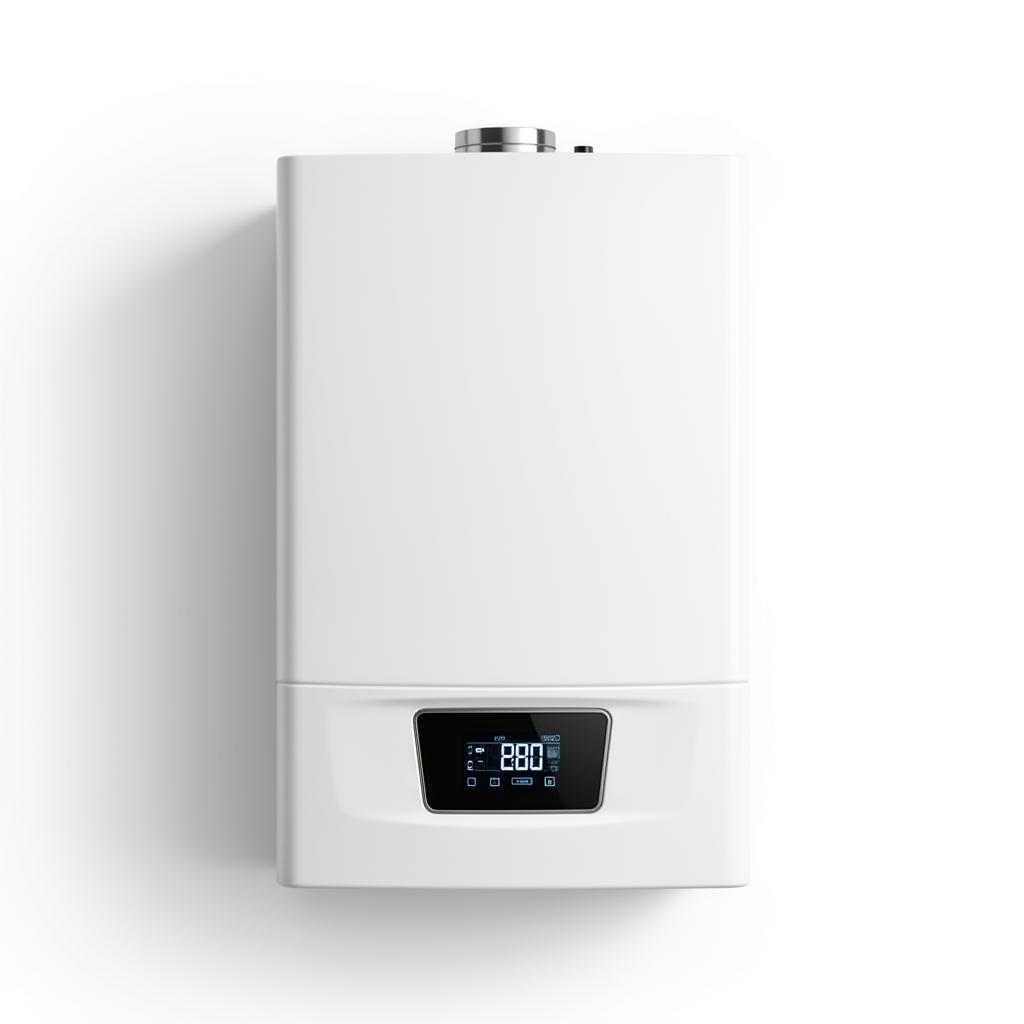
Choosing a boiler is mostly about matching the boiler type to the property's hot water demand, then sizing the output to the heat requirement rather than the old boiler's badge. This guide compares combi, system, regular, oil and LPG boilers, explains how to size sensibly, and lists the flue, filter and control parts that belong on the same order.
Combi, system and regular boilers compared
| Type | Hot water | Cylinder needed | Best suited to |
|---|---|---|---|
| Combi | On demand, one outlet at a time | No | Flats and 1–2 bathroom homes with good mains pressure |
| System | Stored, pumped | Yes (unvented or vented) | 2+ bathrooms, higher simultaneous demand |
| Regular (heat only) | Stored, gravity or pumped | Yes, plus feed tanks | Older systems, low mains pressure, phased upgrades |
A combi is the simplest swap in a small property: no cylinder, no loft tanks, and hot water on demand. It relies on incoming mains flow rate, so a property with weak mains will disappoint however powerful the boiler is. Where two showers may run at once, a system boiler with a correctly sized unvented cylinder is usually the better answer.
Related reading
Gas, oil and LPG
- Natural gas — the default where a mains gas supply exists; widest model choice and lowest install cost
- Oil — off-grid properties; needs a tank, and servicing intervals differ from gas
- LPG — off-grid where oil is unsuitable; many gas boilers can be converted with a manufacturer's kit
Gas and LPG work must be carried out by a Gas Safe registered engineer, and oil installations by an OFTEC registered technician. Buying the boiler is straightforward; the installation is not a DIY task.
Browse by fuel
How to size the output
Heating output should follow the property's calculated heat loss, not the size of the boiler being replaced — insulation, glazing and extensions all change the picture. Domestic heat loss in a typical UK home is often far lower than the 30kW+ boilers frequently fitted, and an oversized boiler cycles more, which wears components and wastes fuel.
| Property | Typical heating requirement | Common combi output |
|---|---|---|
| 1-bed flat | 3–6kW | 24–25kW (driven by hot water) |
| 3-bed semi | 6–10kW | 28–30kW (driven by hot water) |
| 4–5 bed detached | 10–18kW | System boiler + cylinder |
With a combi, the headline kW figure is largely a hot water rating: a 30kW combi does not need a 30kW heat requirement. Look for a boiler with a wide modulation range so it can turn down to match a low heating load.
Efficiency and running cost
Parts to order with the boiler
- Flue kit and any extensions, bends or plume management required by the position
- Magnetic system filter — a warranty condition for most manufacturers
- System cleaner and inhibitor for the flush and refill
- Controls: room thermostat, programmer or smart thermostat, plus TRVs where missing
- Condensate pipe, fittings and insulation for any external run
- Gas cock, isolation valves and pipework to suit the new position
Ordering the flue and filter with the boiler avoids the most common cause of a return visit. Where the boiler is moving position, price the pipework and condensate route at the same time.
Add the install parts
Buying boilers for installation work
Installers fitting the same models repeatedly benefit from keeping a standard boiler pack — boiler, flue, filter, cleaner, inhibitor and controls — as a saved list, so a swap can be ordered in one action. For multi-property work, send the schedule through the quote desk for project pricing.
Frequently asked questions
- Is a combi or a system boiler better?
- It depends on hot water demand and mains pressure. Combis suit smaller homes with one bathroom and good mains flow; system boilers with a cylinder suit homes where more than one outlet may be used at once.
- What size combi boiler do I need?
- The kW rating of a combi is mainly about hot water. Match the heating side to a calculated heat loss and pick a hot water output that suits the number of bathrooms — commonly 24–30kW in typical UK homes.
- Can I replace a regular boiler with a combi?
- Often yes, but it means removing the cylinder and feed tanks, checking mains flow, and reworking pipework. Where mains flow is poor or there are two bathrooms, staying with stored hot water is usually better.
- Do I need a magnetic filter with a new boiler?
- Most manufacturers require one as a condition of the warranty, alongside a system flush and inhibitor dose. Fitting one at install is far cheaper than a blocked heat exchanger later.
Shop the products in this guide
Plumb Supply Team
Practical buying information from the Plumb Supply team.