Boiler Efficiency Explained: ErP Ratings and Running Costs
What ErP ratings mean in practice, why flow temperature matters more than the label, and how to keep a condensing boiler efficient.
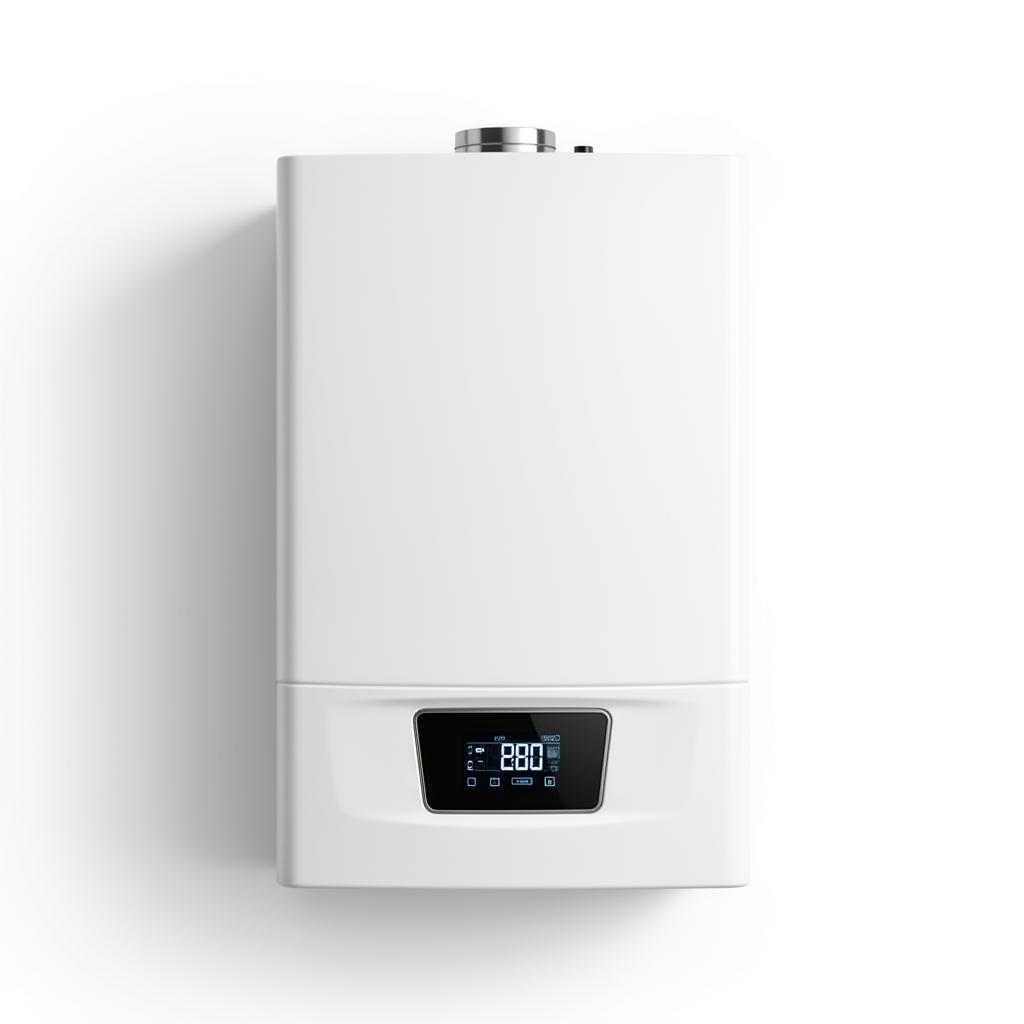
Almost every boiler on sale in the UK is quoted at around 90% or better, which makes efficiency figures look interchangeable. What separates a boiler that hits its rated efficiency from one that does not is how the system around it is set up. This guide explains the ratings and the settings that matter.
How boiler efficiency is measured
Efficiency is the proportion of the energy in the fuel that ends up as useful heat. A condensing boiler achieves a high figure by recovering latent heat from the flue gases, which only happens when the water returning from the radiators is cool enough for that vapour to condense.
The ErP (Energy related Products) label gives a seasonal space-heating efficiency class, and combis carry a second class for hot water along with a declared tapping profile. The label is generated under standard test conditions, so treat it as a comparison tool rather than a prediction of your own bills.
| Term on the label | What it describes | Why it matters |
|---|---|---|
| Space heating class | Seasonal heating efficiency band | Compares like-for-like boilers under test conditions |
| Water heating class | Hot water efficiency band | Only relevant to combis and storage combis |
| Tapping profile (e.g. XL) | Hot water demand pattern tested | Indicates the scale of hot water demand the boiler suits |
| Sound power level | Noise in decibels | Relevant for kitchens, utility cupboards and flats |
Flow temperature does most of the work
A condensing boiler set to a high flow temperature spends much of the season not condensing at all, losing several percentage points of efficiency regardless of the figure on the label. Lowering the heating flow temperature so the return sits below the condensing threshold is the single most effective adjustment on an existing system.
- Reduce the heating flow temperature and check the property still reaches temperature in cold weather
- Radiators run cooler at lower flow temperatures, so heating periods generally need to be longer rather than hotter
- Weather compensation or load compensation controls adjust flow temperature automatically
- Hot water flow temperature is set separately and should not be reduced below safe stored-water temperatures on a cylinder system
Sizing, cycling and modulation
An oversized boiler reaches its target quickly, shuts down and restarts repeatedly. That short cycling increases wear and reduces real-world efficiency. What matters is the modulation range: a boiler that can turn down to a low output holds a steady flame in mild weather instead of cycling.
- Match the heating output to the property's calculated heat loss, not to the existing boiler's badge
- On a combi, hot water demand usually dictates the output, so check the modulation ratio
- A wide modulation range (for example 1:10) is preferable to a high maximum output
Related reading
Keeping a system at its rated efficiency
- Fit and service a magnetic filter — circulating sludge reduces heat transfer across every radiator
- Dose the system with inhibitor after any drain-down and top up at service
- Balance the radiators so the return temperature stays low across the whole circuit
- Fit TRVs so unused rooms are not heated to the same temperature as occupied ones
- Service the boiler annually so combustion stays within the manufacturer's tolerance
Shop the parts for the job
Frequently asked questions
- Are all modern boilers the same efficiency?
- On paper they are close, because the test conditions are standardised. In use, flow temperature, correct sizing, system cleanliness and controls make a far bigger difference than the small gaps between labels.
- Does turning the flow temperature down cost me comfort?
- Not usually, provided the radiators are adequately sized and the heating runs for longer periods rather than short bursts. If a room struggles in cold weather, that radiator is likely undersized for the lower flow temperature.
- Will a new boiler cut my bills on its own?
- Replacing a non-condensing boiler generally does reduce consumption. Replacing a recent condensing boiler with another one changes far less than improving controls, balancing and flow temperature.
Shop the products in this guide
Plumb Supply Team
Practical buying information from the Plumb Supply team.