How to Size a Radiator: BTU Calculations Made Simple
A step-by-step method for working out the BTU output a room needs, and how to turn that figure into a radiator height and width.
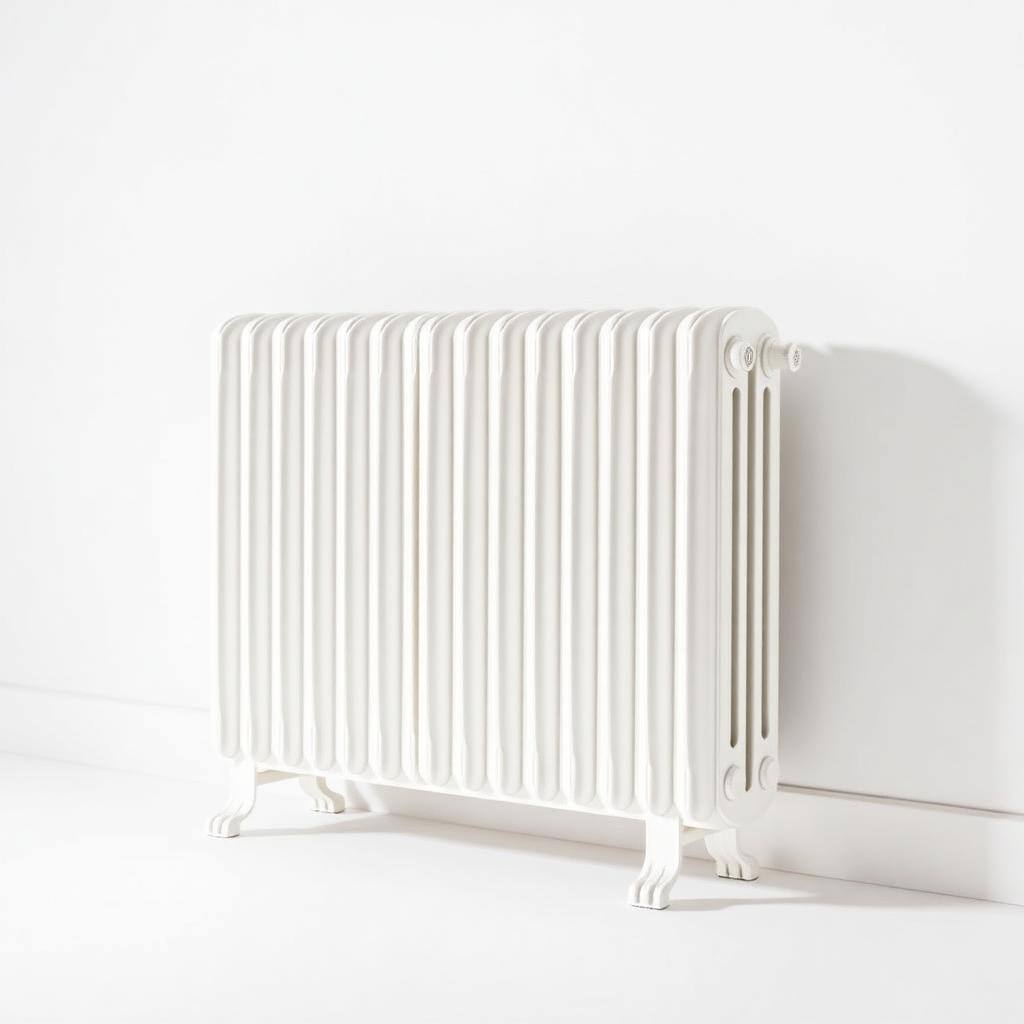
Radiator sizing is a two-part job: first establish how much heat the room needs, then find a radiator that delivers that output in the space available. This guide walks through both steps, explains what Delta T means on a product listing, and lists the measurements to take before you order.
The sizing method, step by step
- 1Measure the room: width, length and floor-to-ceiling height, in metres.
- 2Multiply the three figures to get the room volume in cubic metres.
- 3Apply a factor for the room type and construction to get a heat requirement in watts.
- 4Convert watts to BTU/hr by multiplying by 3.412 if you are comparing against BTU-rated products.
- 5Add an allowance where the room has large glazing, an external door, or poor insulation.
- 6Choose a radiator whose quoted output at Delta T 50 meets or slightly exceeds that figure.
Typical output by room
| Room | Approx. size | Indicative output |
|---|---|---|
| Cloakroom / WC | 1.5 x 1.5m | 1,000–1,500 BTU |
| Bathroom | 2 x 2.5m | 2,500–3,500 BTU |
| Bedroom | 3 x 3.5m | 3,500–4,500 BTU |
| Kitchen | 3 x 4m | 4,000–5,000 BTU |
| Living room | 4 x 5m | 6,000–8,000 BTU |
| Open-plan kitchen / diner | 5 x 7m | 9,000–12,000 BTU |
If a single radiator cannot reach the figure within the wall space you have, split the output across two radiators or move up to a higher-output type. Two smaller radiators on opposite walls also tend to give a more even temperature in a long room.
What Delta T means on a listing
Delta T is the difference between the average water temperature in the radiator and the room air temperature. UK listings normally quote output at Delta T 50, which broadly reflects a conventional gas boiler system. The same radiator produces a noticeably lower output at Delta T 30 — the sort of condition a heat pump runs at.
- Delta T 50 — conventional boiler system, the figure most products quote
- Delta T 40 — reduced flow temperature, roughly 25% less output
- Delta T 30 — heat pump territory, roughly half the Delta T 50 output
- Always compare radiators at the same Delta T before deciding one is bigger
Measuring the wall before you order
- Usable wall width, less roughly 100–150mm at each end for valves
- Height from finished floor to the window board or sill
- Projection into the room — deeper convector types intrude on walkways
- Existing pipe centres if you intend to reuse the current tails
Where wall space is tight, a vertical radiator recovers output using height instead of width. In bathrooms, remember a towel rail usually produces less heat than a panel radiator of the same footprint, so check whether the room still reaches its target output.
Shop the parts for the job
Frequently asked questions
- How do I convert watts to BTU?
- Multiply watts by 3.412. A 1,000W radiator is approximately 3,412 BTU/hr. Divide BTU by 3.412 to go the other way.
- Is it a problem to oversize a radiator?
- A modest oversize is usually fine and lets the system run at a lower flow temperature, which suits a condensing boiler. Very large oversizing wastes wall space and money, and the room simply reaches temperature and the TRV closes.
- Do I need a bigger radiator for a heat pump?
- Usually yes. At heat pump flow temperatures the same radiator gives roughly half its Delta T 50 output, so rooms are commonly re-specified with larger or higher-output radiators as part of the system design.
Shop the products in this guide
Plumb Supply Team
Practical buying information from the Plumb Supply team.