Combi Boilers Explained: A Buyer's Guide
What a combi boiler is, how it compares with system and regular boilers, and the practical points to weigh up before choosing one.
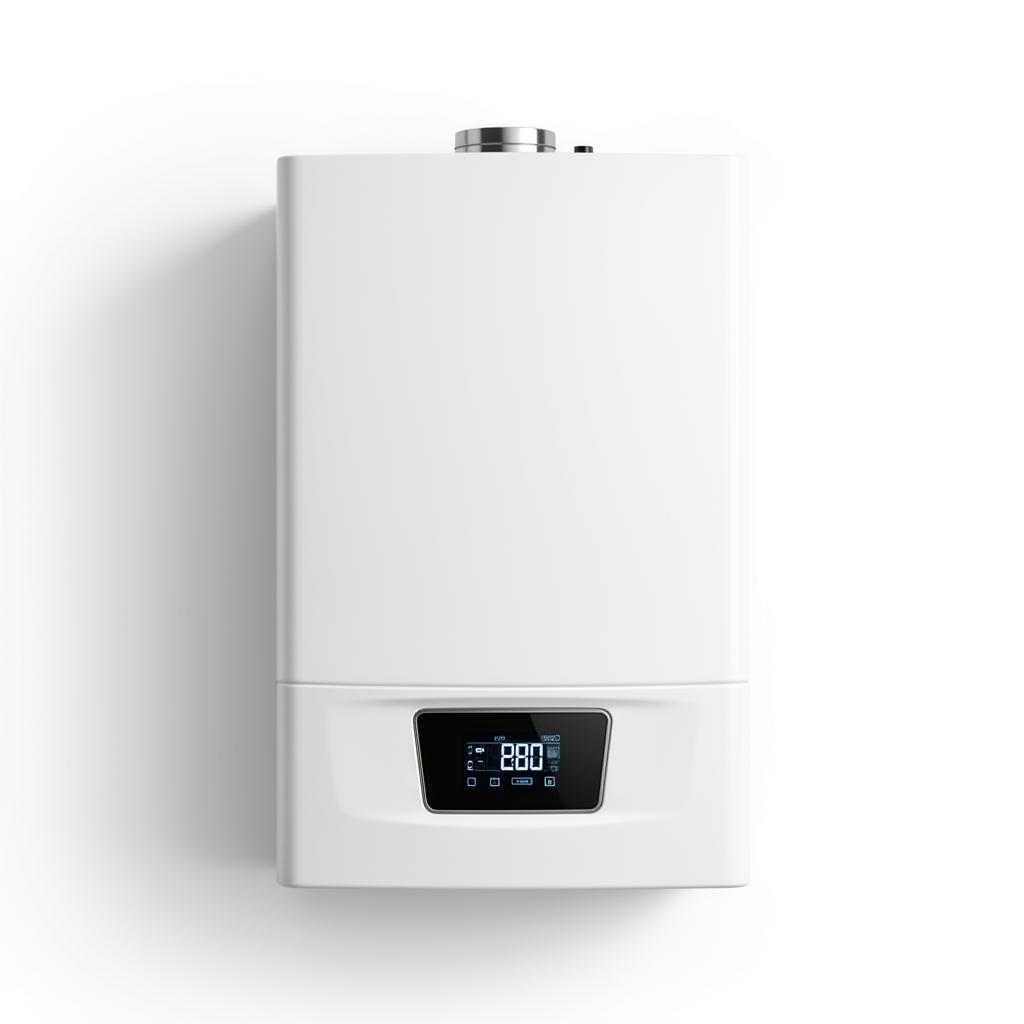
A combi boiler is the most common choice for UK homes buying a new boiler, but it is not the right answer for every household. This guide explains what a combi does, how it differs from system and regular boilers, and the practical limitations worth understanding before you specify one.
What is a combi boiler?
A combi (combination) boiler heats water for both central heating and hot taps directly from the mains, on demand. There is no separate hot water cylinder and no cold water storage tank in the loft — when a hot tap is opened, the boiler fires up and heats water as it passes through, delivering it straight to the outlet.
This single-unit design is why combis have become the default choice in smaller and medium-sized homes: there is no cylinder to install, no tank to maintain, and the boiler can usually be fitted in a kitchen cupboard or utility space with a straightforward flue run.
How a combi differs from system and regular boilers
| Type | Hot water source | Storage needed | Best suited to |
|---|---|---|---|
| Combi | Heated on demand from the mains | None | Smaller households, one bathroom or limited simultaneous demand |
| System | Heated and stored in an unvented or vented cylinder | Hot water cylinder | Homes with multiple bathrooms wanting strong, simultaneous flow |
| Regular (conventional) | Heated and stored in a cylinder, fed from a loft tank | Cylinder plus cold water storage tank | Older properties, homes retaining an existing tank/cylinder setup |
System and regular boilers store a quantity of hot water ready to draw on, so several taps or showers can run at full flow at the same time without a drop in temperature or pressure. A combi has to heat water in real time, which is efficient when demand is modest but becomes a limiting factor when demand is high.
Benefits of a combi boiler
- No hot water cylinder or loft tank, freeing up airing cupboard and loft space
- Constant supply of hot water rather than a fixed tank capacity that can run out
- Simpler, often cheaper installation where there is no existing cylinder or tank to remove
- Mains pressure hot water throughout the house without a separate pump
- Compact unit that suits flats and smaller properties well
Limitations to weigh up
The trade-offs mostly come down to how much hot water the household needs at once, and the condition of the incoming mains supply.
- Simultaneous outlets: running two showers, or a shower and a bath tap, at the same time will usually reduce flow or temperature at both, because a single heat exchanger is doing all the work
- Flow rate: a combi's hot water output is limited by its kW rating — a higher-output combi gives a better flow rate, but there is still a ceiling compared with a stored system
- Mains pressure dependency: a combi needs decent incoming mains pressure and flow to perform well; a property with poor mains pressure will get poor combi performance regardless of the boiler chosen
- No stored buffer: if the mains supply is interrupted, there is no reserve of hot water, unlike a cylinder-based system
Output and kW considerations
Combi boilers are specified by two figures: the central heating output (kW), which needs to match the property's heat loss and radiator count, and the domestic hot water output (kW), which determines how quickly hot water is produced and at what flow rate. These two figures are not the same thing, and a boiler can be well suited to heating a small flat but still deliver a modest hot water flow rate if the DHW output is low.
As a general rule, larger homes with more bathrooms benefit from a combi with a higher DHW kW output, since this improves the litres-per-minute flow rate at the tap. Central heating output should be based on the actual heat loss of the property and the number of radiators, not simply matched to the size of the previous boiler.
Related reading
Flue and condensate practicalities
All modern combi boilers are condensing boilers, which means they produce condensate — mildly acidic water — that needs a properly installed drain, usually run internally to a waste pipe with adequate fall and frost protection where any external run is unavoidable. The flue itself must terminate in a compliant position relative to windows, doors, boundaries and other openings, which can affect where in the property a boiler can practically be sited.
Installation and household suitability
Any gas combi boiler must be installed, commissioned and serviced by a Gas Safe registered engineer. Before buying, it is worth having a survey carried out to confirm mains flow and pressure, agree the correct kW output for heating and hot water, and check the proposed flue route and condensate drain are workable in your property.
- One or two bathrooms with modest simultaneous demand generally suit a combi well
- Three or more bathrooms, or households that frequently need several outlets at once, often suit a system boiler with a cylinder better
- Properties with poor mains pressure should have this checked before committing to a combi
Shop the parts for the job
Frequently asked questions
- Can a combi boiler run two showers at once?
- It can, but flow rate and temperature at both outlets are likely to drop because one heat exchanger is sharing the demand. Households needing strong simultaneous flow are usually better served by a system boiler and cylinder.
- Does a bigger kW combi always mean better hot water?
- A higher domestic hot water kW output generally improves flow rate at the tap, but the central heating kW output is a separate figure sized to the property's heat loss — the two should be assessed independently, not assumed to scale together.
- Do I need a hot water cylinder with a combi boiler?
- No. A combi heats water on demand, so no cylinder or loft tank is needed, which is one of its main practical advantages over system and regular boilers.
- Who can install a combi boiler?
- Any gas combi boiler installation, replacement or service must be carried out by a Gas Safe registered engineer, who will also confirm the correct output, flue route and condensate drainage for your property.
Shop the products in this guide
Plumb Supply Team
Practical buying information from the Plumb Supply team.