What Size Boiler Do I Need?
A general guide to how boiler size (kW) relates to bathrooms, radiator count and hot water demand — and why a proper heat-loss calculation is the right basis for a final spec.
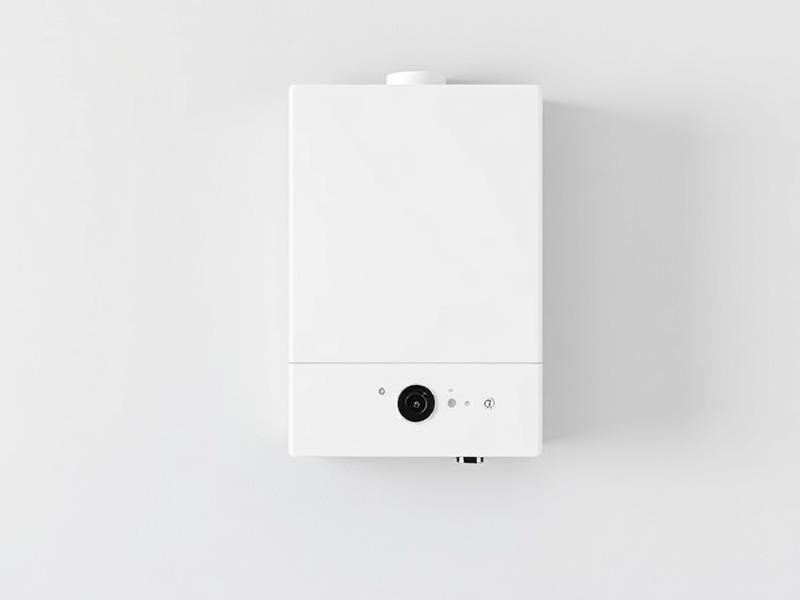
Boiler size is quoted in kilowatts (kW), and getting it right matters for comfort, running costs and equipment life. This guide explains, in general terms, what kW output actually covers, the main factors that influence it, and why the final figure should always come from a proper assessment rather than a rule of thumb.
What kW output actually means
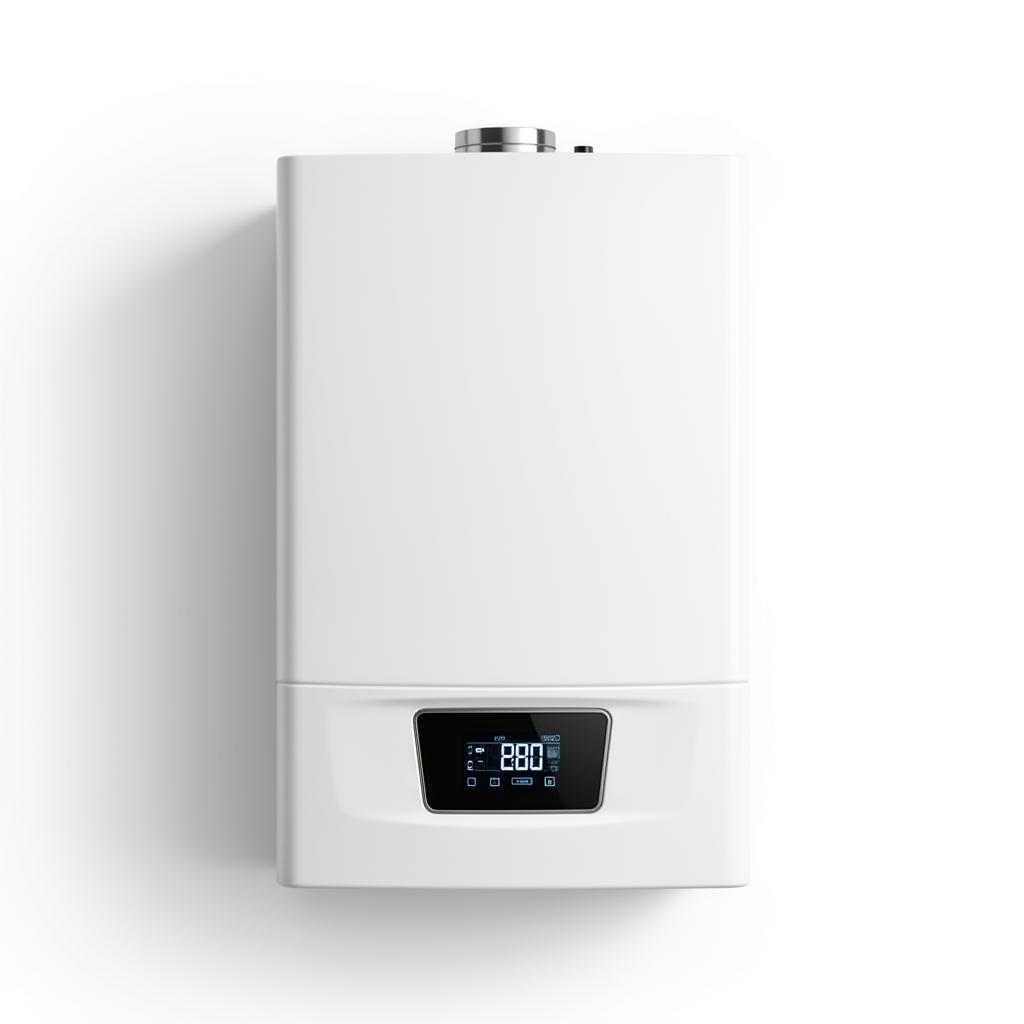
A boiler's kW rating describes how much heat energy it can deliver per hour. Most boilers quote two figures: a central heating output, which needs to cover the total heat lost by the property through walls, windows, roof and ventilation, and — on a combi — a separate domestic hot water output, which determines how quickly hot water is produced at the tap.
These are two different jobs. A boiler can have plenty of kW for heating a small, well-insulated flat but a modest hot water output if it is a lower-output combi model, and vice versa. Treating kW as a single generic number to be matched against the size of the house is the most common sizing mistake.
What influences the size needed
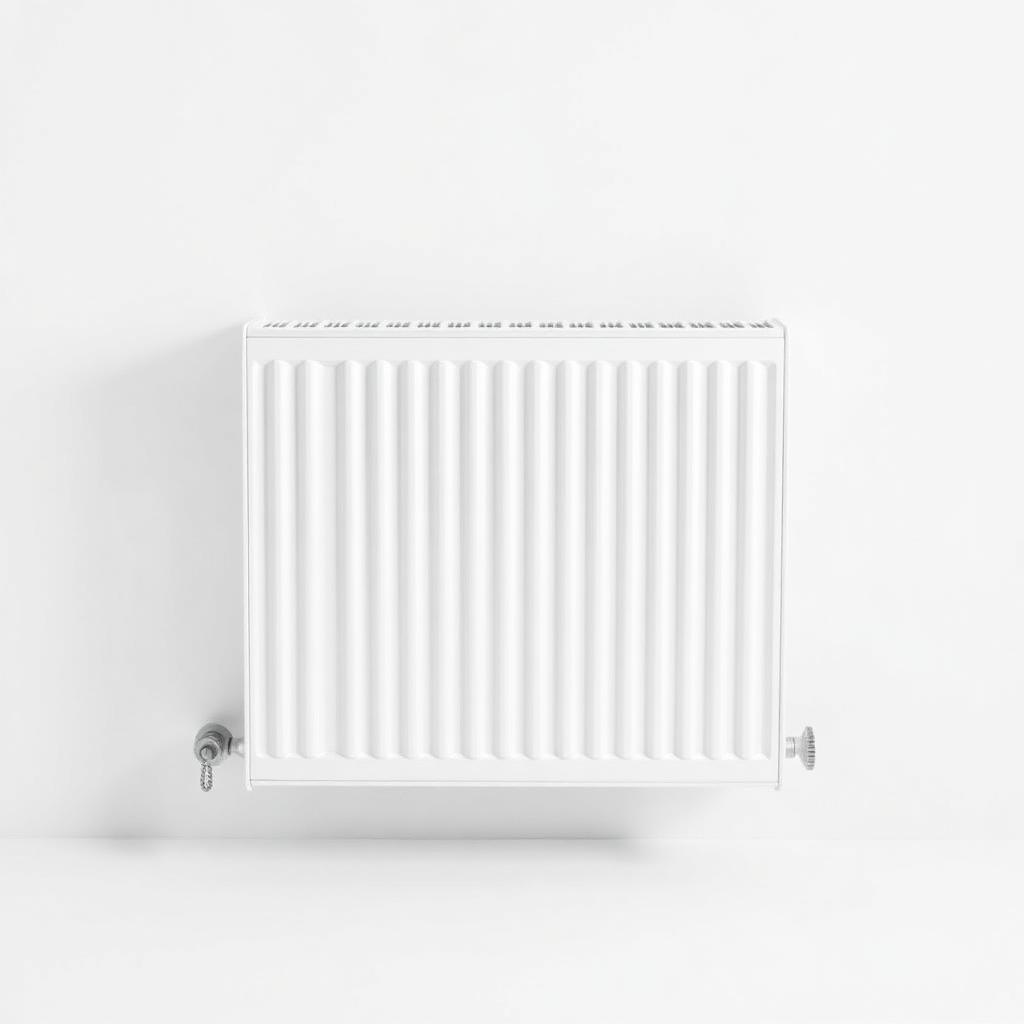
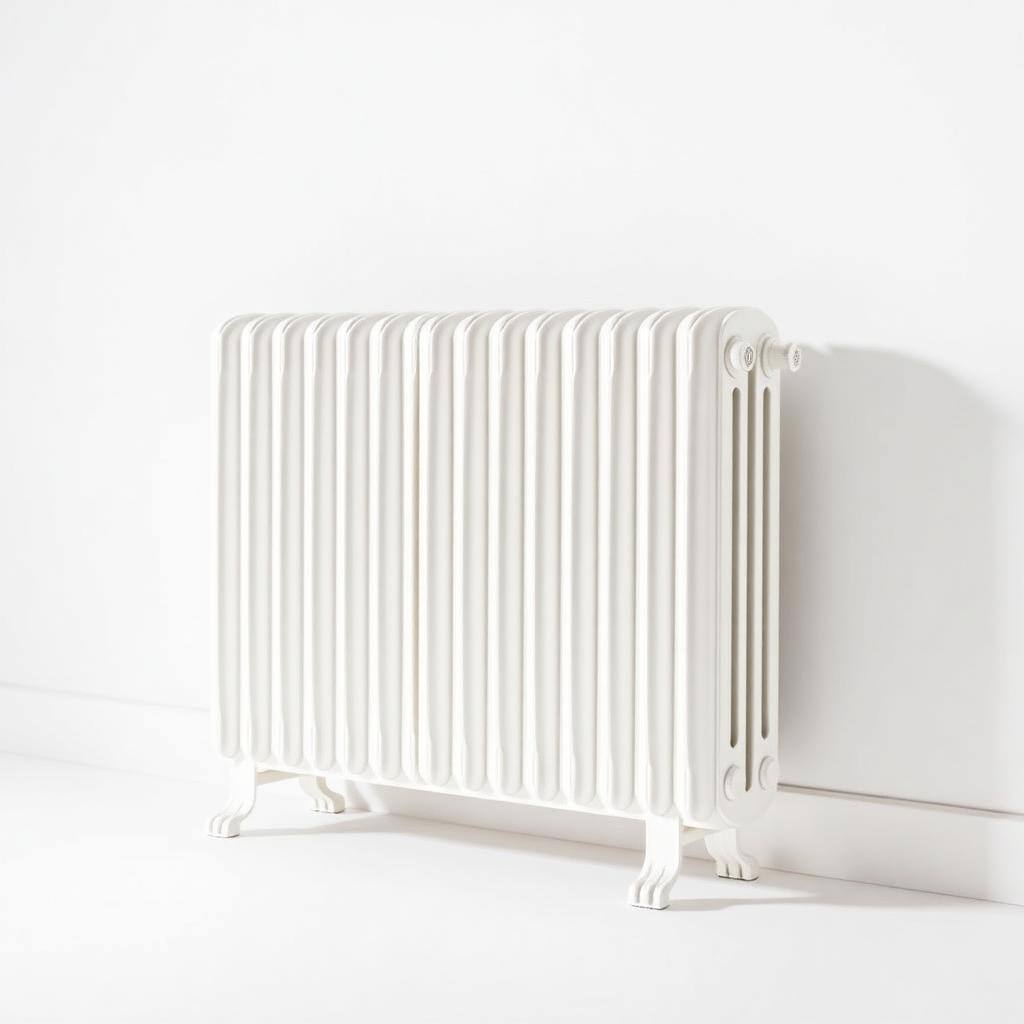
- Number of radiators and their total output — more or larger radiators generally mean more heating kW is needed to run them all at design temperature
- Number of bathrooms and other hot water outlets — more outlets used at once increase the demand on a combi's hot water output, or the recovery rate of a stored cylinder
- Insulation and glazing — better-insulated, well-glazed homes lose heat more slowly and need less heating output for the same floor area
- Property age and construction — solid-wall Victorian terraces typically lose heat faster than an equivalent modern timber-frame or cavity-wall home
- Incoming mains flow rate and pressure — relevant to how a combi's rated hot water output translates into real flow at the tap
Because these factors interact, two houses of similar floor area can need noticeably different boiler outputs. A room-by-room count of radiators and their outputs, combined with an assessment of the fabric of the building, gives a far more reliable picture than floor area alone.
Hot water demand versus heating load
It helps to think of hot water and heating as separate demands that happen to share one boiler in a combi. Heating load is fairly steady and predictable — it depends on outside temperature and the fabric of the building. Hot water demand is much peakier: several taps or a shower running at once creates a short, sharp demand that a combi has to meet in real time, since there is no stored reserve.
This is why household pattern matters as much as house size. A large but sparsely occupied house with one bathroom may have modest hot water demand, while a smaller but busy household with two bathrooms in daily simultaneous use may need considerably more hot water output — or a stored cylinder system rather than a combi.
Related reading
Flow rate in litres per minute
Flow rate — how many litres of hot water come out of a tap or shower per minute — is often more relevant to day-to-day satisfaction than the kW figure itself. A combi's hot water flow rate depends on its DHW kW output and the temperature rise needed from the incoming cold mains: colder incoming water in winter means a lower usable flow rate for the same kW rating than in summer.
Why oversizing is not a safety margin
It is tempting to assume a bigger boiler is a safer bet, but oversizing a boiler brings its own problems. An oversized boiler cycles on and off more frequently because it satisfies demand too quickly, which reduces efficiency, increases wear on components, and can make the system harder to control smoothly. It does not generally improve hot water flow rate beyond what the property's outlets and pipework can actually deliver.
- Short-cycling from oversizing increases wear and can shorten component life
- Modern condensing boilers run most efficiently when working within their proper modulation range, not constantly at maximum or cycling on the minimum
- A correctly sized boiler paired with good controls generally outperforms an oversized boiler on comfort and running cost
Why a heat-loss calculation is the proper basis
A heat-loss calculation works room by room, using the actual dimensions, construction, insulation levels and glazing of the property to arrive at a genuine figure for how much heat is lost and needs replacing. This is the recognised, reliable method for specifying both the boiler's heating output and the radiators it will serve — far more accurate than rules of thumb based on floor area or the size of the boiler being replaced.
Shop the parts for the job
Frequently asked questions
- Can I just match the kW of my old boiler?
- It is a reasonable starting point for a straightforward like-for-like replacement, but older boilers were sometimes oversized by older sizing conventions. A heat-loss calculation gives a more accurate figure, especially if the property has since been insulated or altered.
- Does a bigger boiler mean better hot water pressure?
- Not directly. Hot water flow rate depends on the boiler's domestic hot water output and the incoming mains flow and pressure, not the central heating kW figure. A larger heating output does not improve tap flow rate on its own.
- Is floor area a reliable way to size a boiler?
- No. Insulation, glazing, construction type, radiator count and household hot water habits all affect the figure more than floor area alone, which is why a proper assessment is recommended over a rule-of-thumb estimate.
- Who should carry out the sizing and installation?
- Final specification and installation of a gas boiler must be carried out by a Gas Safe registered engineer, who will normally base heating output on a heat-loss calculation and confirm hot water requirements against your household's actual usage.
Shop the products in this guide
Plumb Supply Team
Practical buying information from the Plumb Supply team.