Air Source Heat Pumps Explained: Sizing, Radiators and Cylinders
How air source heat pumps work in practice, why low flow temperatures change radiator sizing, and what a retrofit involves.
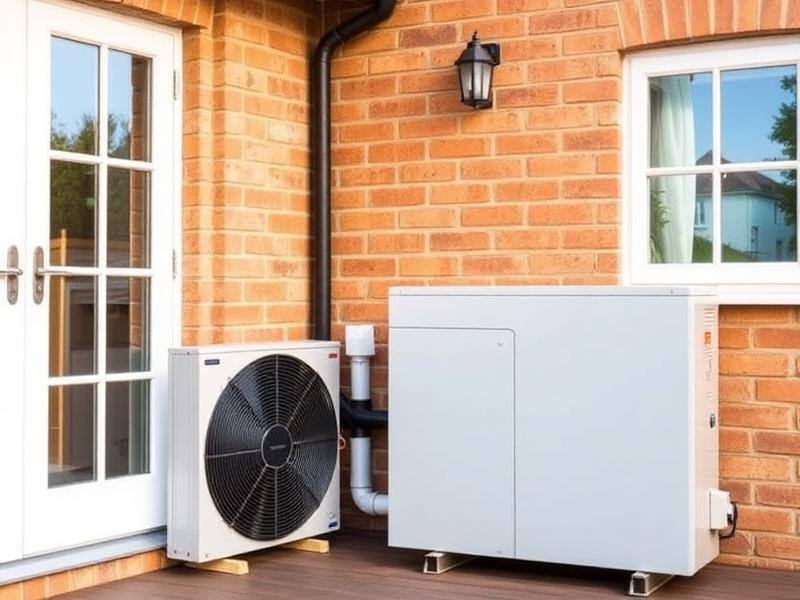
An air source heat pump moves heat from outside air into the heating system rather than burning fuel to create it. That changes the design rules: flow temperatures are lower, so emitters and hot water storage need re-checking. This guide covers what to look at before committing to a retrofit.
How an air source heat pump works
A refrigerant circuit absorbs low-grade heat from outside air, compresses it to raise its temperature, and transfers that heat into the water circulating around the heating system. Because it moves heat rather than generating it, output is measured as a coefficient of performance (COP) — the ratio of heat delivered to electricity consumed.
COP falls as the gap between outside air and the required flow temperature widens. That is why a system designed to run at 45°C performs considerably better across a heating season than the same unit forced to 60°C to compensate for undersized radiators.
Sizing and system design
Heat pumps are sized to the property's calculated heat loss, not to the output of the boiler being replaced. Oversizing causes cycling in mild weather and pushes up running costs; undersizing leaves the immersion or backup heater covering the coldest days.
- A room-by-room heat-loss calculation is the starting point, not a rule of thumb per square metre
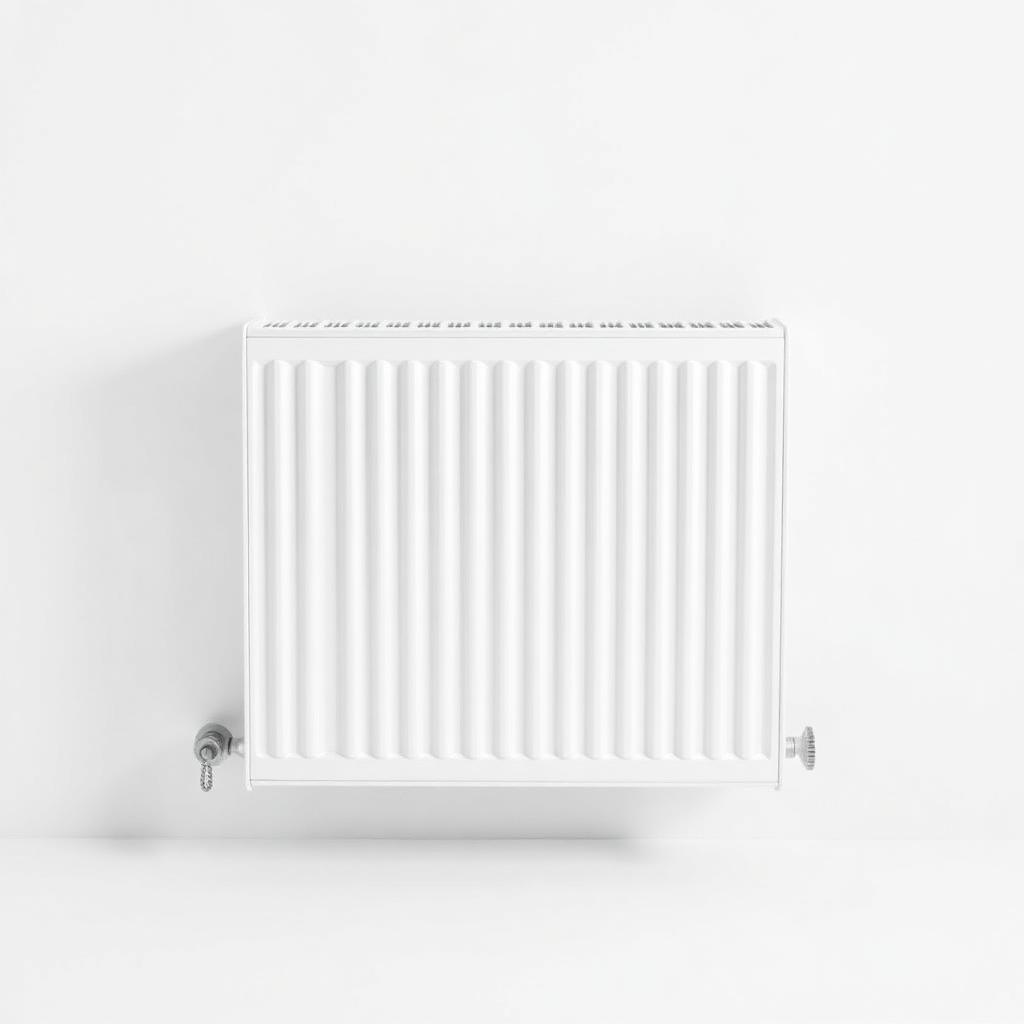
- Emitters are re-checked at the design flow temperature — most radiators need upsizing
- Pipework must carry a higher flow rate than a boiler system at the same output
- Hot water needs a cylinder with a large surface-area coil designed for heat pump duty
- The outdoor unit needs clear airflow, a level base and consideration of noise to boundaries
Heat pump types compared
| Type | Typical use | Points to consider |
|---|---|---|
| Air source (monobloc) | Most retrofits | All refrigerant work is factory-sealed; needs frost protection on external pipework |
| Air source (split) | Where outdoor space is tight | Refrigerant pipework requires F-Gas qualified installation |
| Ground source | New build, plots with land | Higher efficiency, significant groundworks cost |
| Hybrid | Phased retrofit, high heat loss | Heat pump covers most of the season, boiler covers peaks |
Hot water and cylinders
A heat pump raises cylinder temperature more slowly than a boiler, so the coil surface area matters. A standard cylinder coil is usually too small, which is why heat pump cylinders are specified with a much larger coil and a dedicated immersion for periodic pasteurisation.
Shop the parts for the job
Frequently asked questions
- Do I have to replace all my radiators?
- Not always. Rooms already fitted with generously sized radiators may be adequate at the design flow temperature; others will need upsizing. The heat-loss calculation identifies which rooms fall short.
- Can a heat pump run alongside a boiler?
- Yes — a hybrid arrangement lets the heat pump cover most of the season while the boiler handles peak cold spells or hot water, which suits properties with high heat loss.
- Who should install a heat pump?
- A suitably qualified installer, with split systems requiring F-Gas certification. Grant schemes generally require the installer and system design to meet a recognised certification standard.
Shop the products in this guide
Plumb Supply Team
Practical buying information from the Plumb Supply team.