Thermostatic Radiator Valves Explained
What a thermostatic radiator valve does, what the numbers on the dial mean, where TRVs should and shouldn't be fitted, and how smart TRVs differ.
A thermostatic radiator valve lets each radiator respond to the temperature of the room it is in, rather than running at full output whenever the boiler is calling for heat. This guide explains how TRVs work, what the numbered settings mean, where they should not be fitted, and how smart TRVs fit into a modern system.
What a TRV does
A thermostatic radiator valve (TRV) replaces a manual valve on the flow side of a radiator with a valve head containing a temperature-sensitive element — usually a wax capsule or liquid-filled bellows. As the room warms, the element expands and gradually closes the valve, restricting flow through the radiator. As the room cools, it contracts and opens the valve again. The result is that each radiator maintains roughly the temperature set at its dial, independently of the other radiators on the system.
This is different from the main room thermostat, which switches the whole heating system, or a heating zone, on and off based on the temperature in one location. TRVs allow room-by-room control on top of that, so a bedroom can be kept cooler than a living room without needing separate heating zones.
What the numbered settings mean
Standard TRV heads are numbered, typically from 0 (or a frost symbol) up to 5 or 6, rather than marked with actual temperatures, because the exact temperature reached depends on the radiator, the room and where the valve sits. As a rough general guide, many manufacturers design around figures similar to the ones below, though this varies between brands.
| Setting | Approximate room temperature | Typical use |
|---|---|---|
| Frost / * | Around 5–8°C | Prevents freezing in an unoccupied room, not for everyday comfort |
| 1 | Around 12°C | Rooms used rarely, spare rooms |
| 2 | Around 16°C | Bedrooms, hallways |
| 3 | Around 18–20°C | General living areas at a moderate setting |
| 4 | Around 21–22°C | Living rooms, bathrooms wanting extra warmth |
| 5–6 | Around 24°C+ | Maximum output, rarely needed for comfort |
How TRVs help with energy use
Without TRVs, every radiator on a system runs at full output whenever the boiler is firing, regardless of whether that room actually needs more heat. TRVs let unused or naturally warmer rooms — such as a room that gets sun through the afternoon, or a spare bedroom — run at a lower setting, reducing wasted heat and generally lowering overall energy use across the property.
- Turning a TRV down in an unused room reduces the heat sent there without switching the whole system off
- Rooms that gain heat from other sources (sunlight, cooking, electronics) can be set lower to avoid overheating
- TRVs work alongside, not instead of, a main room thermostat and any timer or programmer controlling when the system runs at all
Where TRVs should not be fitted
A TRV should not be fitted on the radiator in the same room as the main room thermostat. If it were, the two controls would compete: the TRV might shut down the radiator before the room thermostat is satisfied, which can prevent the boiler from reaching its call for heat and cause the system to behave unpredictably. This room typically keeps a standard manual valve or a lockshield instead.
- Avoid fitting a TRV in the room containing the main room thermostat
- Some heating designs also avoid TRVs on a bathroom radiator if that room houses the system's reference thermostat instead
- On combi boiler systems without a separate low-loss header or bypass, check enough radiators remain open to allow adequate flow if several TRVs close at once — this is a design point for the installer to confirm
Angled, straight and corner valve bodies
TRVs are sold as a valve body plus a separate thermostatic head, and the body comes in different shapes to suit the pipework route: angled (the most common, turning the pipe 90 degrees up into the radiator), straight (where the pipe runs directly in line with the radiator tapping), and corner (for pipework approaching from an angle other than a standard right angle). Choosing the correct body avoids awkward pipe bends and keeps the installation neat.
Heads are generally interchangeable across valve bodies from the same manufacturer, and many are designed to a common thread standard, but it is worth checking compatibility before mixing heads and bodies from different ranges.
Lockshields and balancing
The return side of a radiator normally has a lockshield valve rather than a TRV. Unlike a TRV, a lockshield is not meant to be adjusted daily — it is set once, during system balancing, to control the flow rate through that particular radiator relative to the others on the circuit, so radiators further from the boiler heat up at a similar rate to those closer to it.
Smart TRVs
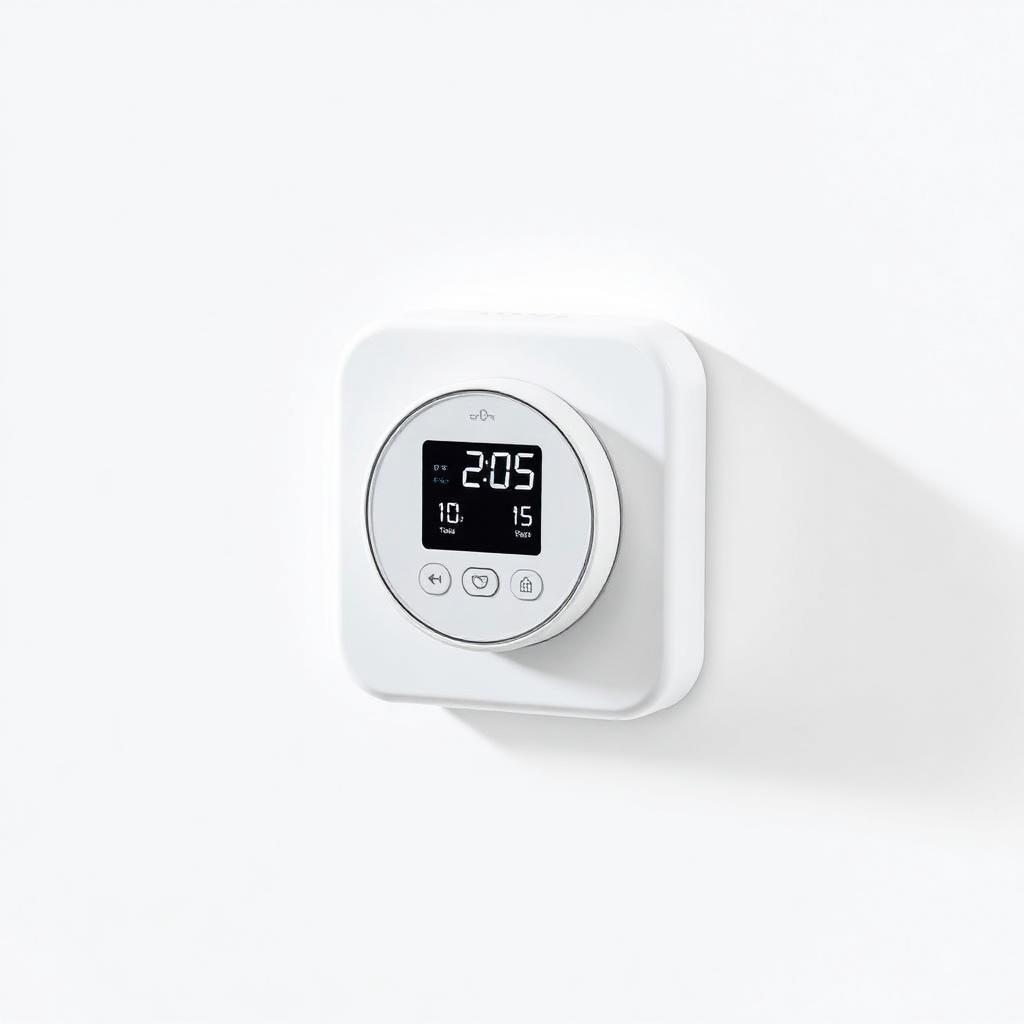
Smart TRVs replace the standard thermostatic head with an electronic valve head that can be scheduled and controlled remotely, usually via an app or hub, rather than relying on a fixed dial setting. This allows different rooms to follow their own heating schedule — for example, warming a bedroom shortly before bedtime while keeping it cool during the day — without altering the whole house's heating pattern.
- Useful for rooms with different usage patterns through the day
- Some smart TRV systems can also report room temperature back to a central app or hub
- Battery-powered heads need periodic battery changes, unlike a standard mechanical TRV
- Check that a smart TRV is compatible with your existing valve body, or budget for replacing both together
Shop the parts for the job
Sticking pins and general maintenance
TRVs work by pressing a small pin in the valve body, which the thermostatic element pushes and releases as it expands and contracts. If a radiator is left fully open or fully closed for a long period — commonly over summer — this pin can stick in position, so the valve fails to respond when the heating is switched back on for the colder months.
- Exercise TRVs occasionally through summer by turning the head up and down to keep the pin moving freely
- If a valve appears stuck, a stuck pin can sometimes be freed gently with the head removed, but forcing it can damage the valve — replacement is often more reliable if it does not free easily
- A radiator that stays cold when the TRV is turned up, or stays hot when turned down, usually indicates a stuck valve rather than a boiler fault
Frequently asked questions
- Can I fit a TRV to any radiator?
- Almost any panel radiator can take a TRV, but the radiator in the room containing the main room thermostat should keep a standard valve instead, to avoid the two controls conflicting.
- What number should I set my TRV to?
- The numbers are not fixed temperatures and vary by manufacturer and room, so the reliable approach is to try a setting, check the room temperature with a thermometer after it settles, and adjust from there.
- Why has my TRV stopped responding?
- This is usually a stuck pin inside the valve body, often caused by the valve being left in one position for a long period, such as over summer. Exercising TRVs periodically helps prevent this.
- Are smart TRVs worth it over standard ones?
- They add scheduling and remote control per room, which suits households with varied room usage patterns, but they cost more and need batteries. A standard TRV remains a reliable, low-maintenance option for straightforward room-by-room control.
Shop the products in this guide
Plumb Supply Team
Practical buying information from the Plumb Supply team.