
Plumbing Pipe Sizes Explained
What the common UK pipe sizes are used for, plus the difference between metric and older imperial pipework.
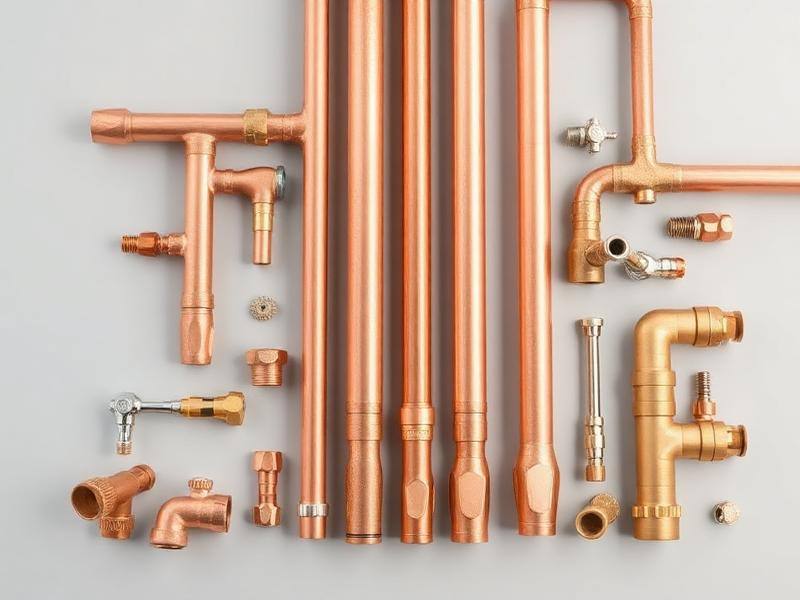
UK domestic plumbing uses a small set of standard pipe sizes, and knowing what each is normally used for makes it much easier to plan a repair, extension or replacement. This guide runs through the common sizes for supply, waste and soil pipework, plus how older imperial pipe compares to today's metric sizes.
Common supply pipe sizes: 10, 15, 22 and 28mm
Copper and plastic supply pipe in UK homes is measured by outside diameter in millimetres. The same four sizes cover the vast majority of domestic hot and cold water and heating pipework, whether the pipe is copper or plastic.
| Size | Typical use |
|---|---|
| 10mm | Short tails to taps and radiator valves where space is tight |
| 15mm | Standard branch pipework to taps, radiators, WCs and most fittings |
| 22mm | Main distribution pipework feeding several outlets, larger radiator circuits |
| 28mm | Primary heating pipework to and from the boiler, larger properties, longer runs |
As a rough pattern, pipe gets larger closer to the source (the boiler, cylinder or incoming main) and steps down to 15mm or 10mm near individual fittings. This keeps flow and pressure adequate at each outlet while avoiding unnecessarily large pipe — and cost — everywhere else.
Waste and soil pipe sizes
| Size | Typical use |
|---|---|
| 32mm | Basin and bidet waste |
| 40mm | Bath, shower and kitchen sink waste |
| 110mm | Soil pipe — WC discharge and the main soil stack |
Waste pipe sizing relates to the fitting it serves and the flow rate it needs to clear without airlocking or allowing trap seals to be pulled through siphonage. A WC always discharges into 110mm soil pipe; smaller appliances connect into 32mm or 40mm waste pipe, which typically then joins the soil stack or a separate waste stack.
MDPE pipe sizes for underground supply
MDPE (medium-density polyethylene) is the blue plastic pipe used for underground cold water supplies, from the boundary stopcock or water main up to the property. It is sold in 20mm, 25mm and 32mm sizes.
- 20mm — typical for a single dwelling's incoming supply
- 25mm — used where flow demand is higher, or the run is long
- 32mm — larger properties, multiple dwellings, or where future demand needs headroom
MDPE pipe size, along with the length of run and any drop in pressure, affects how much flow reaches the property, so it is worth checking against expected demand before a new supply pipe is laid rather than after.
Imperial vs metric pipe: what older homes may have
Properties plumbed before the UK's switch to metric pipe sizing (largely through the 1970s) may still have imperial copper pipe, measured in fractions of an inch rather than millimetres. Imperial sizes are close to, but not identical to, today's metric equivalents, which catches people out when trying to join old and new pipework.
| Imperial size | Nearest metric | Note |
|---|---|---|
| 1/2 inch | 15mm | Imperial is very slightly larger in outside diameter |
| 3/4 inch | 22mm | Adaptor fittings are usually needed for a reliable seal |
| 1 inch | 28mm | Check fitting compatibility before assuming a direct swap |
Flow considerations
Pipe diameter has a significant effect on flow rate and pressure drop — a pipe that is too small for the demand placed on it causes poor flow at outlets, noise, and can affect how a combi boiler or multi-outlet shower performs. Conversely, oversized pipe on a heating circuit can lead to poor circulation at low flow rates and higher material cost for no real benefit.
- Multiple bathrooms or high-flow showers may need larger supply pipe than a basic single-bathroom layout
- Long pipe runs lose more pressure than short ones of the same diameter
- Combi boilers are particularly sensitive to undersized pipework restricting flow to the boiler
Shop the parts for the job
Frequently asked questions
- What size pipe feeds a standard radiator?
- Most domestic radiators are fed with 15mm pipe, with the pipework often stepping up to 22mm or 28mm nearer the boiler on larger systems.
- Can I join old imperial pipe to new metric pipe?
- Not always reliably with a standard metric fitting, since imperial pipe is slightly larger in outside diameter. Use a fitting specifically designed to adapt between imperial and metric pipe.
- What size is a WC waste pipe?
- WCs discharge into 110mm soil pipe. Basins and bidets typically use 32mm waste, and baths, showers and sinks typically use 40mm waste.
- Do I need a bigger MDPE supply pipe for a new extension?
- Possibly, depending on the additional demand and the length of run — this should be checked as part of the project design rather than assumed.
Shop the products in this guide
Plumb Supply Team
Practical buying information from the Plumb Supply team.