
Copper Pipe vs Plastic Pipe: Which Is Best?
A practical comparison of copper and plastic pipe covering cost, durability, installation and where each performs best.
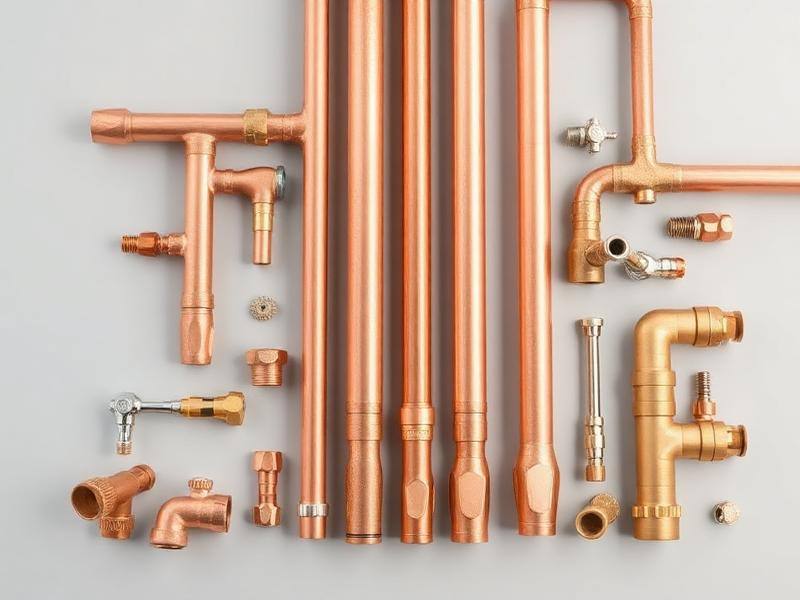
Copper and plastic pipe both have a long track record in UK domestic plumbing, and most systems now use a mix of the two. This guide compares them across the factors that actually affect a job, so you can pick the right pipe for each part of the installation.
Durability and lifespan
Copper is rigid, resists UV degradation, and has been used in UK plumbing for well over a century, with a well-understood service life when installed correctly. It is not immune to problems — pinhole leaks can occur from aggressive water conditions or poor installation practice such as flux residue left in a joint — but properly installed copper is very long lasting.
Plastic pipe, particularly PEX and PB barrier pipe, is also durable and does not corrode, but it is more sensitive to UV light and to being damaged by sharp tools or rodents where left exposed. Plastic pipe should not be left in permanent direct sunlight, and manufacturer guidance on minimum bend radius should be followed to avoid kinking, which can restrict flow permanently.
Cost
Plastic pipe and its push-fit fittings are generally cheaper to buy than copper pipe and its fittings, and installation labour is typically faster because there is no soldering. On a like-for-like first-fix job, plastic pipe usually works out less expensive overall, though the gap narrows on smaller jobs where fitting costs dominate.
Installation
Copper is joined by soldering (end-feed or solder-ring fittings) or with compression or push-fit fittings, and can be bent with a pipe bender to avoid extra joints. It needs careful support and allowance for thermal movement on long runs.
Plastic pipe is joined with push-fit fittings and is flexible enough to be fed through joists and stud walls in long continuous runs, reducing the number of joints needed. This makes it well suited to first fix work in timber-framed construction and to running pipe through tight, awkward routes.
- Copper needs a blowtorch or press tool for soldered or pressed joints, plus a pipe bender for direction changes
- Plastic pipe needs a pipe cutter and, on barrier pipe, a pipe insert for push-fit or crimp fittings
- Both can use push-fit fittings, which simplifies stocking fittings for mixed-material jobs
Heat and temperature tolerance
Copper tolerates high temperatures well and is the standard choice for boiler primary pipework, gas installations and anywhere pipework will run close to a heat source. Plastic pipe rated for heating and hot water use (typically PEX or PB barrier pipe) is suitable for most domestic hot water and central heating circuits, but check the manufacturer's maximum continuous operating temperature and pressure rating for the specific application, and note that plastic pipe is not used for gas installations.
Flexibility and visible pipework
Copper's rigidity is an advantage where pipework is on show — exposed pipe runs, feature radiator pipework and period-style installations usually use copper because it holds a clean, straight line and takes a range of decorative finishes. Plastic pipe is almost always concealed within walls, floors and ceiling voids, since it is not intended to be a visible finished surface and can sag slightly over long unsupported spans.
Typical applications
| Application | Common choice | Why |
|---|---|---|
| Boiler primary pipework | Copper | Heat tolerance, proximity to the appliance |
| First fix hot & cold, concealed | Plastic barrier pipe | Fast installation, fewer joints, cost |
| Visible pipework, period style | Copper | Appearance and rigidity |
| Underfloor heating circuits | Plastic (PEX/PB) | Flexibility for continuous coiled runs |
| Gas installations | Copper | Plastic pipe is not used for gas |
| Cold water mains (external, underground) | MDPE plastic | Durable underground, resists corrosion |
Barrier pipe and oxygen ingress
Standard plastic pipe is slightly permeable to oxygen, which can accelerate corrosion of steel components elsewhere in a sealed central heating system, such as radiators and pump internals. For this reason, plastic pipe used on heating circuits should be oxygen barrier pipe, which has an integral layer that greatly reduces oxygen diffusion. Plain (non-barrier) plastic pipe is fine for cold water and open-vented domestic hot water, but should not be used on a sealed heating system.
Support and clipping centres
Both pipe types need adequate support to prevent sagging, noise and stress on joints. As a general guide, horizontal copper pipe is typically clipped at closer centres than the same-diameter plastic pipe recommends, and vertical runs can go slightly further between clips — but the pipe and fitting manufacturer's own clipping-centre tables should always be followed, since they vary between products and pipe diameters.
- Support pipe close to changes of direction and at fitting connections
- Use pipe clips sized for the pipe outside diameter, not a generic size
- Allow for thermal expansion on long straight copper runs carrying hot water or heating flow
Shop the parts for the job
Frequently asked questions
- Is plastic pipe as good as copper for central heating?
- Oxygen barrier plastic pipe is widely used on heating circuits, particularly underfloor heating, and performs well. Copper remains standard for boiler primary connections and anywhere near a significant heat source.
- Can I connect copper pipe directly to plastic pipe?
- Yes, using a push-fit or compression fitting designed for mixed materials, with the correct pipe insert fitted inside the plastic pipe end.
- Does plastic pipe discolour or degrade in sunlight?
- Prolonged UV exposure can degrade some plastic pipes over time, so it should not be run permanently exposed outdoors or in direct sunlight unless the product is specifically rated for that use.
- Why does my plastic pipe need to say 'barrier pipe'?
- Barrier pipe has a layer that resists oxygen diffusion into the water. On a sealed heating system, oxygen ingress through non-barrier pipe can accelerate corrosion of steel components such as radiators.
Shop the products in this guide
Plumb Supply Team
Practical buying information from the Plumb Supply team.