Insulation Types and U-Values Explained
U-values, lambda ratings and the practical differences between loft, cavity, PIR board and acoustic insulation.
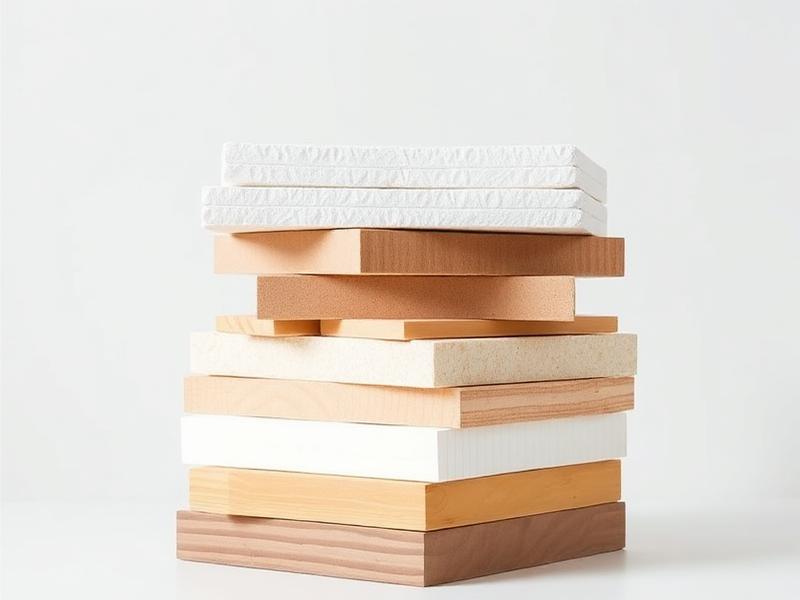
Insulation is specified by performance, not thickness alone. Two boards of the same depth can perform very differently depending on the material. This guide explains the figures on the packaging and where each type of insulation is normally used.
U-values, R-values and lambda
- Lambda (λ) — thermal conductivity of the material itself; lower is better
- R-value — thermal resistance of a layer, calculated from thickness divided by lambda; higher is better
- U-value — heat loss through the whole build-up, including every layer; lower is better
Building Regulations set target U-values for elements such as walls, roofs and floors, so the thickness you need depends on the rest of the construction as well as the insulation product. A low-lambda board achieves the same U-value in less depth, which matters where floor build-up or reveal depth is limited.
Insulation types compared
| Type | Typical use | Points to consider |
|---|---|---|
| Mineral wool roll | Loft floors between joists | Inexpensive; needs generous depth; not for load-bearing use |
| PIR / polyiso board | Roofs, walls, floors | Best performance per millimetre; cut accurately and tape joints |
| EPS / XPS board | Floors, below slab | Good compressive strength for floor build-ups |
| Cavity wall (blown or batt) | Masonry cavities | Batts fitted as the wall is built; retrofit blown by specialists |
| Acoustic mineral wool | Stud walls, floors between rooms | Higher density, specified for sound rather than heat |
| Pipe insulation | Heating and hot water pipework | Cuts standing losses; required on external and loft runs |
Detailing matters as much as the product
- Cut boards tightly and tape joints — gaps and air paths undo the specified performance
- Do not compress mineral wool; it loses performance when squashed
- Maintain ventilation paths at eaves so roof voids stay dry
- Consider where the vapour control layer sits to reduce the risk of interstitial condensation
- Insulate pipework in unheated spaces to reduce heat loss and freeze risk
Shop the parts for the job
Frequently asked questions
- Is thicker insulation always better?
- Only within the same material. A lower-lambda board can match a much thicker mineral wool layer, which is why board products are used where depth is restricted.
- How much loft insulation do I need?
- Loft depths are set by the U-value target for the roof element in the current regulations. Where existing insulation is shallow, topping up across the joists is usually the simplest way to reach it.
- Does acoustic insulation also insulate thermally?
- It provides some thermal resistance, but it is specified by density for sound reduction. Use a thermal product where the U-value matters.
Shop the products in this guide
Plumb Supply Team
Practical buying information from the Plumb Supply team.