Essential Tools for a Plumbing Tool Kit
What belongs in a genuine plumbing tool kit, from grips and pipe cutters to jointing compound, and which specialist tools are worth adding later.
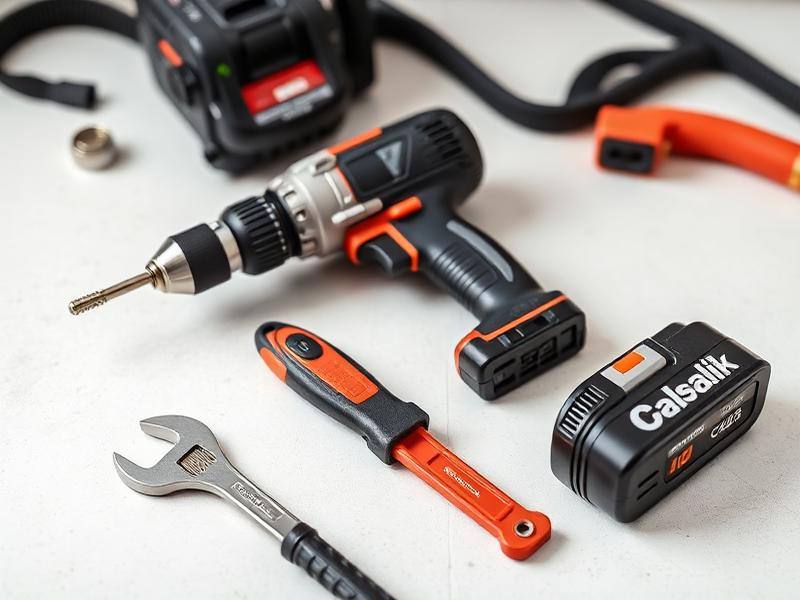
A working plumbing tool kit builds up over time, and it is easy to end up carrying tools that rarely get used while missing something that comes up on almost every job. This guide separates genuine day-to-day essentials from specialist equipment worth adding once the type and volume of work justifies it.
Grips, wrenches and turning tools
Pipe wrenches — often called Stilsons after a common brand — are the core gripping tool for threaded iron and steel pipework and fittings, with serrated jaws that bite as pressure is applied. Most plumbers carry at least two sizes so one can hold a fitting steady while the other turns.
Adjustable spanners cover the wide range of nut sizes found on compression fittings, tap connectors and cylinder unions, and a couple of sizes — a smaller one for tight spaces and a larger one for bigger unions — cover most jobs. A basin wrench, with its long shaft and pivoting jaw, is the practical way to reach the back-nuts on taps and mixers fitted through a basin or sink, where a standard spanner simply cannot get in.
Cutting, deburring and jointing
A pipe cutter gives a cleaner, squarer cut than a hacksaw on copper and plastic pipe, which matters for a good seal on both compression and push-fit fittings. A pipe slice is a compact ratchet-style cutter useful for cutting pipe in confined spaces where a full-size cutter will not fit or turn.
A deburring tool or a half-round file removes the internal and external burr left after cutting, which is essential before pushing pipe into a push-fit fitting, as a burr can damage the internal O-ring and cause a leak that is hard to trace later.
- PTFE tape seals threaded joints such as tap connectors, valves and cylinder fittings
- Jointing (pipe) compound is used on some threaded joints, particularly with fittings not suited to tape alone
- A blowtorch is needed for end-feed and solder-ring copper joints, used with appropriate flux and solder
Measuring and general hand tools
A spirit level is essential for anything involving falls or level fitting, from a shower tray to a radiator bracket, and a torpedo-length level is often more practical than a long level in tight plumbing spaces. A tape measure is used on almost every job, for pipe runs, appliance clearances and fitting centres alike.
- A set of screwdrivers, both flathead and Pozidriv/Phillips, for isolation valves, fixings and appliance panels
- Pliers, including a pair of long-nose pliers for tight spaces
- A hacksaw as a backup cutting tool for materials a pipe cutter cannot handle
- A torch or head torch for working under sinks, in lofts and in cupboards
Essentials vs specialist kit
Not every tool needs to be bought on day one. The table below separates the kit that earns its place in almost every job from equipment that is worth adding once a particular type of work becomes regular.
| Category | Tool | Why it matters |
|---|---|---|
| Essential | Pipe wrenches (Stilsons) | Core gripping tool for threaded pipe and fittings |
| Essential | Adjustable spanners | Covers most compression fitting and union nuts |
| Essential | Basin wrench | Only practical way to reach basin and sink tap back-nuts |
| Essential | Pipe cutter | Clean, square cuts for a reliable seal |
| Essential | Pipe slice | Cutting in confined spaces where a full cutter will not fit |
| Essential | Deburring tool | Removes burr before push-fit connections |
| Essential | Spirit levels | Falls and level fitting on trays, radiators, appliances |
| Essential | Tape measure | Used on almost every job |
| Essential | PTFE tape and jointing compound | Sealing threaded joints |
| Essential | Blowtorch | Required for end-feed and solder-ring copper joints |
| Specialist | Press tool | Fast, flameless jointing for press-fit pipe systems on higher job volumes |
| Specialist | Pipe freezer | Isolates a section of pipe without draining the whole system |
| Specialist | Pipe bender | Neat bends in copper pipe without fittings, saves time on first-fix runs |
| Specialist | Inspection camera | Diagnosing blockages and hidden pipe runs |
| Specialist | Power tools (drills, SDS) | Chasing, drilling masonry and timber for pipe runs and fixings |
Specialist kit worth adding
A press tool jointing system speeds up first fix considerably and removes the naked flame risk of soldering, but the tool and jaw sets represent a real outlay, so it tends to make sense once press-fit becomes a regular part of the work rather than an occasional job. A pipe freezer lets a section of pipe be worked on without draining down the whole system, useful on occupied properties or larger systems where a full drain-down is impractical.
A pipe bender produces neater bends than elbow fittings on copper first-fix runs and reduces the number of joints in a run, which can mean fewer potential leak points. An inspection camera is valuable for diagnosing blockages or checking pipe runs behind finished walls and floors without opening them up unnecessarily. Power tools — a combi drill, SDS drill for masonry, and an angle grinder or reciprocating saw for cutting — come up regularly enough on most jobs to be worth carrying, but choice of brand and specification depends on the type of properties usually worked in.
Shop the parts for the job
Care, storage and safety
- Keep cutting edges clean and lightly oiled to prevent rust between jobs
- Store a blowtorch and gas canister upright and away from heat sources in the van
- Wear eye protection when cutting, grinding or using a press tool
- Check PPE such as gloves and knee pads regularly, as worn PPE offers reduced protection
Frequently asked questions
- What is the single most useful tool for basin and sink tap changes?
- A basin wrench, because its long shaft and pivoting jaw reach the back-nut behind a basin or sink where a standard spanner cannot get in.
- Is a press tool worth buying for occasional use?
- Not usually. The tool and jaw sets are a significant outlay, so it tends to pay off once press-fit jointing becomes a regular part of the workload rather than an occasional job.
- Do I need both a pipe cutter and a pipe slice?
- A pipe cutter covers most situations, but a pipe slice earns its place for cutting in confined spaces, such as tight cupboards or between joists, where a full-size cutter cannot be turned.
- Why does deburring matter for push-fit fittings?
- A burr left on the pipe end can damage the internal O-ring seal inside a push-fit fitting, leading to a leak that can be difficult to trace after the fitting is buried in a wall or floor.
Shop the products in this guide
Plumb Supply Team
Practical buying information from the Plumb Supply team.