Bathroom Taps Buying Guide
Choose the right basin, bath and shower taps for your bathroom, with guidance on water pressure, tap holes, finishes and waste compatibility.
Taps are one of the few bathroom products handled every day, so pressure compatibility, valve type and finish matter as much as looks. This guide covers the main tap styles, what pressure each needs and how to avoid a poor match with your system.
The main types of bathroom tap
Bathroom taps fall into a handful of practical categories, and picking the right one starts with knowing which fixture it serves and how many holes are already there to work with. A basin mixer combines hot and cold into one spout with a single or twin lever, giving one central hole in the basin. Pillar taps are separate hot and cold taps, traditionally used on basins with two tap holes, and are common in period-style or budget suites. Bath fillers are larger-capacity mixer taps designed to fill a bath quickly, deck-mounted on the bath itself or on the surrounding surface. Bath shower mixers combine a bath filler with a diverter to a handheld or fixed shower head, useful where a separate shower is not practical.
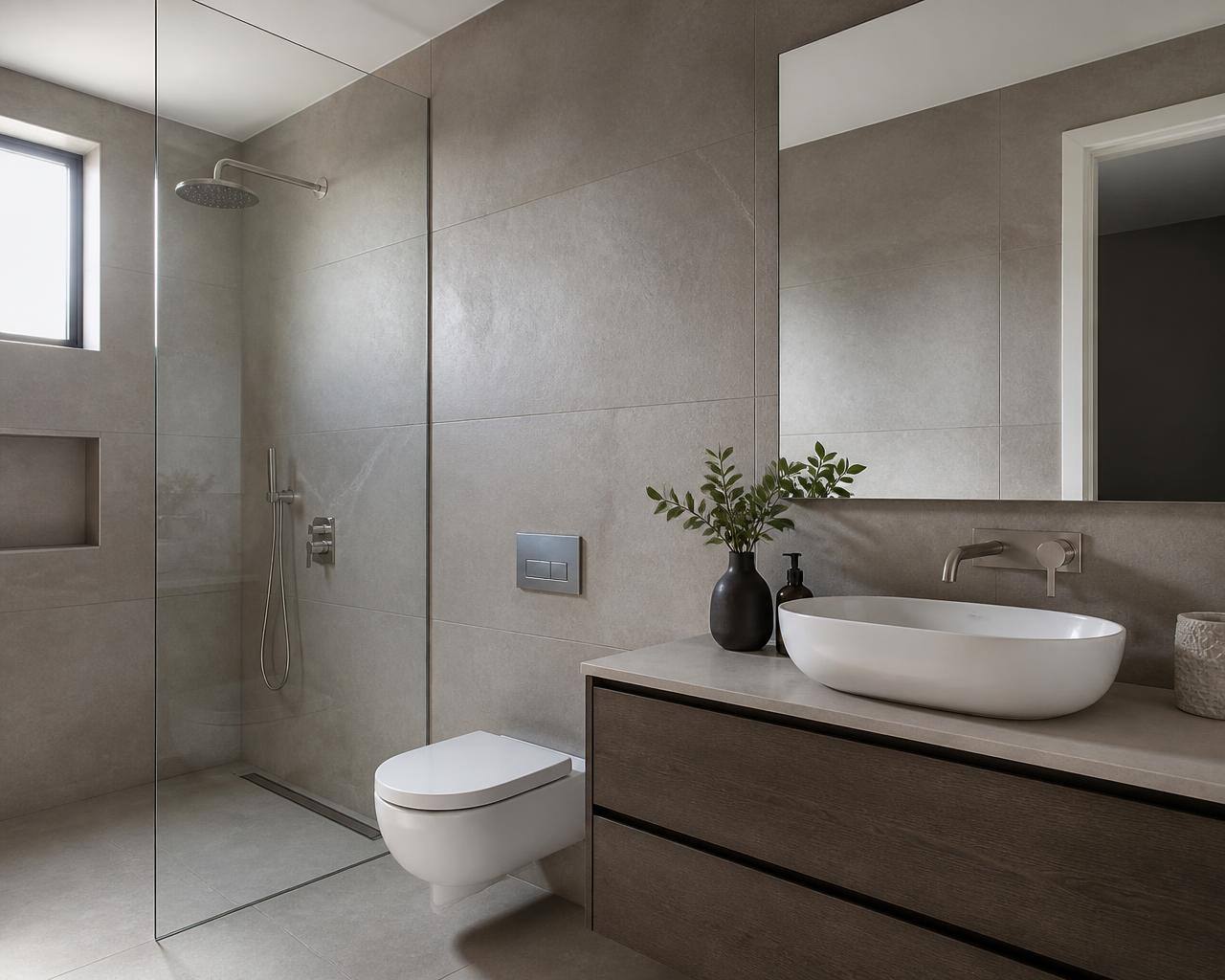
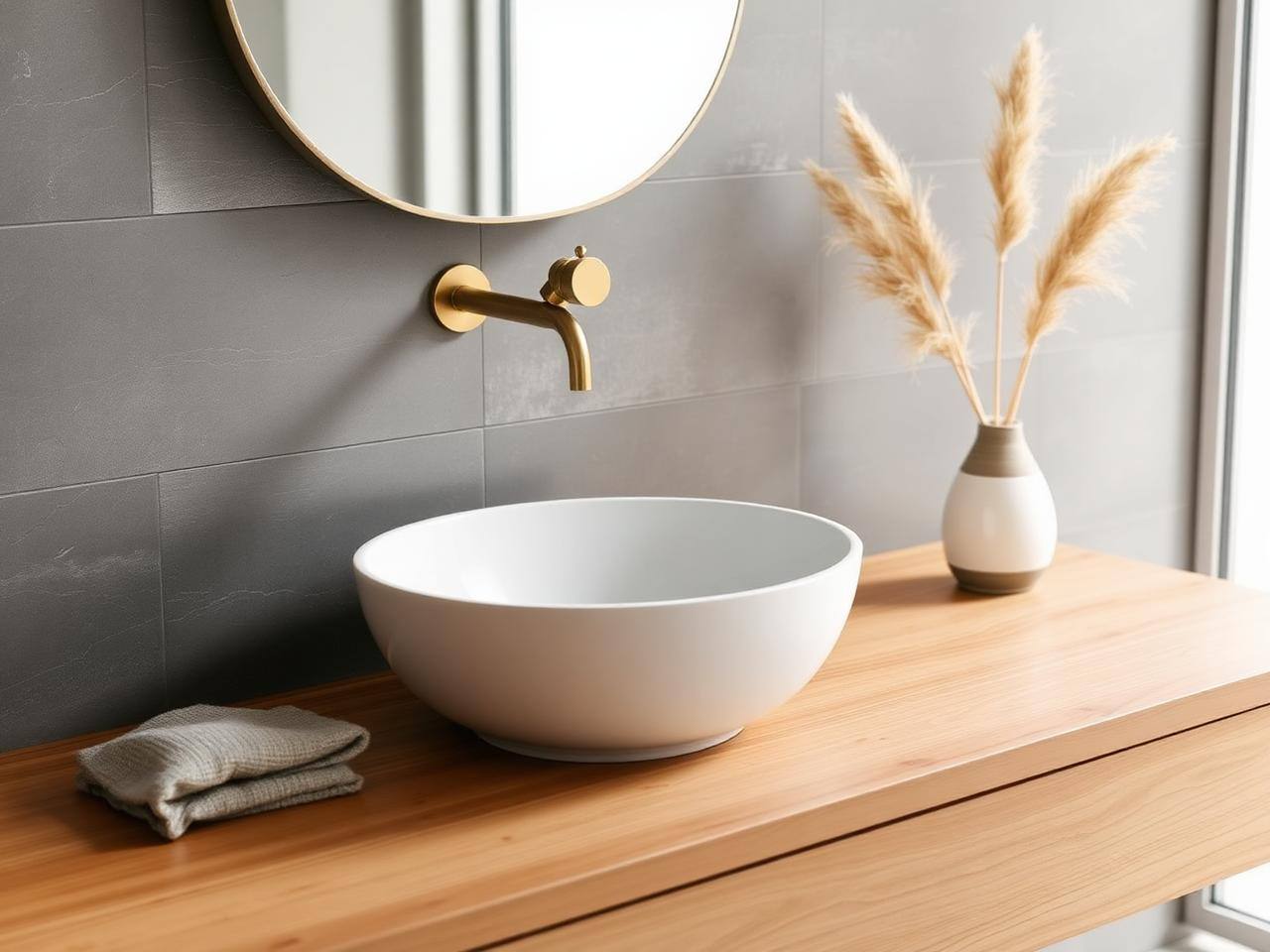
- Wall-mounted basin mixers free up the surface around the basin and suit a minimalist look, but need pipework built into the wall before tiling
- Tall basin mixers give more clearance for hand washing and filling items in the basin, and suit deeper or countertop basins
- Waterfall taps have a wide, flat spout designed for a sheeting flow effect, often paired with countertop basins
Pressure requirements: low vs high pressure
Not every tap works with every plumbing system, and this is the detail most likely to catch buyers out. Taps are generally specified as suitable for high pressure (mains-fed combi or unvented systems), low pressure (gravity-fed systems with a header tank), or both. Fitting a high-pressure-only tap on a low-pressure gravity system typically results in a poor, dribbling flow, particularly from mixer taps that rely on balanced pressure from both hot and cold feeds.
Where hot and cold pressures are unequal, for example a mains-fed cold supply with a gravity-fed hot supply, a mixer tap can struggle to blend the two evenly. In this situation pillar taps, which keep hot and cold entirely separate, or an appropriately rated mixer designed for unequal pressures, are usually the more reliable choice.
Tap holes and waste compatibility
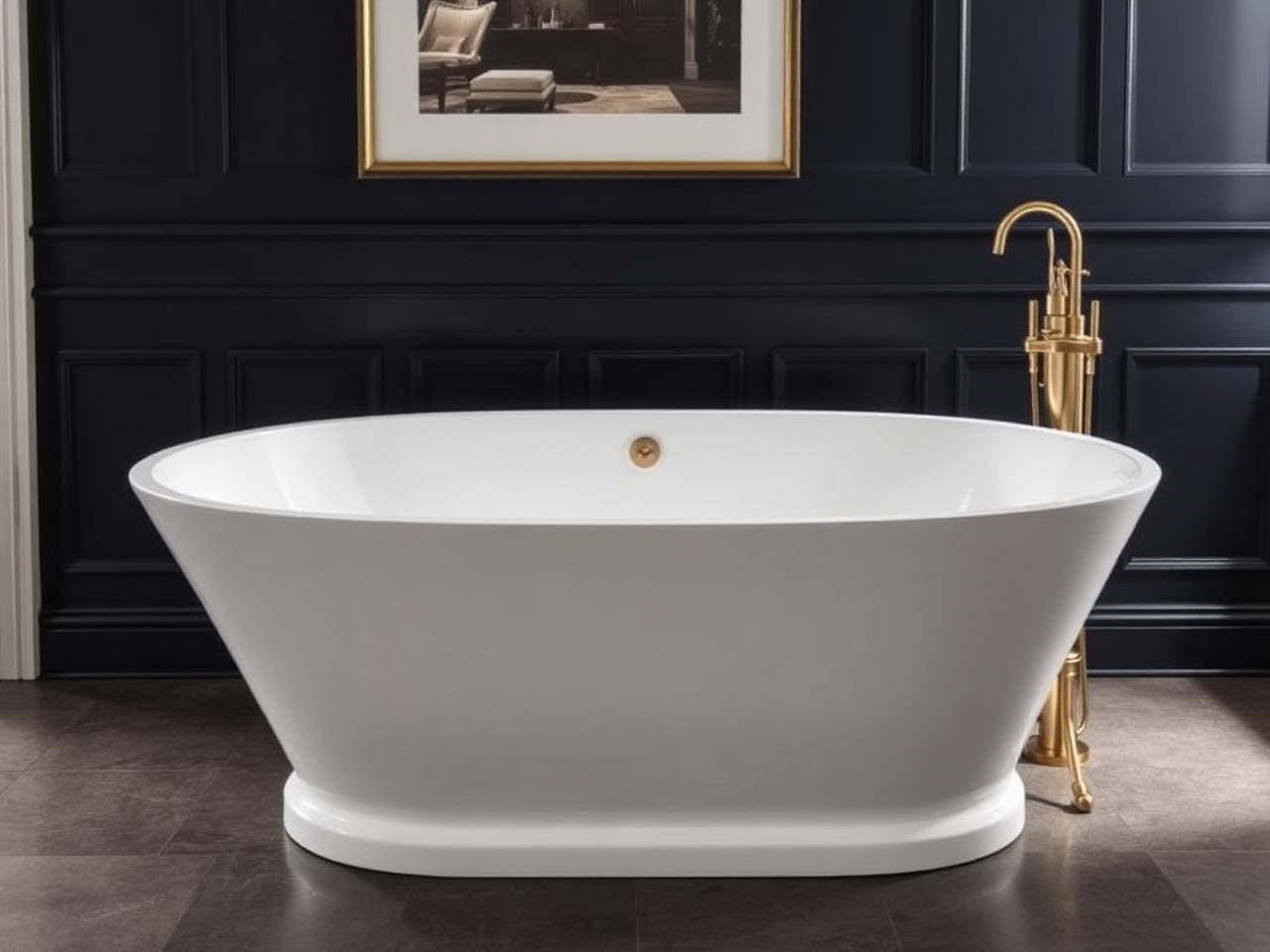
Before ordering, check how many tap holes the basin or bath actually has, since this dictates which tap styles will physically fit. A single-hole basin needs a monobloc mixer; a two-hole basin suits pillar taps or a two-hole mixer; a three-hole configuration (common on baths) suits a bath filler with separate hot and cold controls either side.
- Confirm the tap hole spacing (centres) matches the tap's fixing spread, particularly for three-hole and bath deck-mounted sets
- Check whether the basin waste is included with the tap or needs to be bought separately
- Slotted basins need a slotted waste to allow overflow water to drain; unslotted basins need an unslotted waste
- Click-clack and traditional plug-and-chain wastes are largely interchangeable if the waste body fits the basin's outlet size
Shop wastes and fittings
Finishes and matching your bathroom
Chrome remains the most widely available finish and generally the easiest to match across a suite from different ranges. Brushed and matt finishes in nickel, brass, gunmetal and black are increasingly popular for a more distinctive look, but check that shower, basin and bath fittings are available in the same finish and range if you want a fully coordinated look, since finishes can vary subtly between manufacturers.
- Decide on a finish before ordering taps, shower and accessories separately, to avoid mismatched tones
- Darker and coloured finishes can show limescale marks more visibly in hard water areas
- Check the manufacturer's cleaning guidance, since some finishes are damaged by abrasive cleaning products
Cartridge and ceramic disc basics
Almost all modern taps use a ceramic disc mechanism rather than traditional rubber washers, giving a smooth quarter-turn action and a longer service life with less risk of dripping. Inside a mixer tap this disc mechanism usually sits in a replaceable cartridge, so if a tap starts to drip or feels stiff, the cartridge can generally be replaced rather than needing a whole new tap.
- Isolate the water supply before removing a tap head or cartridge
- Keep the make and model of your tap noted somewhere, as cartridges are model-specific
- A stiff or dripping tap is often a worn cartridge rather than a fault with the whole tap body
Frequently asked questions
- Can I fit a high-pressure mixer tap on a gravity-fed system?
- It is not recommended. High-pressure-only taps typically give a poor flow on gravity-fed systems. Choose a tap rated for low pressure, or for both low and high pressure, if your home has a header tank system.
- How many tap holes does my basin need?
- It depends on the tap style you want: one hole for a monobloc mixer, two for pillar taps or a two-hole mixer, and three is typical for a bath filler with separate controls. Check your existing basin or bath before ordering.
- Do I need to buy a waste separately from the tap?
- Sometimes wastes are included, sometimes not — check the product listing. Also confirm whether your basin needs a slotted waste (for overflow) or an unslotted one.
- Why has my tap started dripping?
- Most modern taps use a ceramic disc cartridge, and a drip or stiff action is usually a sign the cartridge has worn and needs replacing rather than the whole tap failing.
Shop the products in this guide
Plumb Supply Team
Practical buying information from the Plumb Supply team.